Dermatologist for Skin Rashes in Gangnam, Seoul
Cheongdam JCELL Dermatology Clinic
Consult experienced dermatology specialists at Cheongdam JCELL Dermatology Clinic in Gangnam, Seoul, for personalized evaluation and treatment of skin rashes, irritation, redness, and other related concerns.
A skin rash can develop for many different reasons, including eczema, contact dermatitis, allergic reactions, infections, irritation, medications, or environmental factors. Because similar-looking rashes can have very different causes, professional dermatologic evaluation can be important when symptoms persist, spread, or repeatedly return.
At Cheongdam JCELL Dermatology Clinic, patients receive personalized dermatology care in Cheongdam, Gangnam, Seoul. The clinic provides individualized evaluation and treatment planning for unexplained rashes, itching, redness, irritation, swelling, inflammation, and other skin concerns.
For international patients living in Korea or visiting Seoul, a dermatologist consultation can help review symptoms, previous treatments, skincare products, medications, and possible triggers before determining an appropriate treatment approach.
Why See a Dermatologist for a Skin Rash?
A rash is a symptom rather than a specific diagnosis.
Redness, itching, bumps, dryness, or swelling can occur with many different dermatologic conditions, so identifying the underlying cause is an important part of treatment.
Professional dermatologic evaluation may help with:
- Identifying possible causes of the rash
- Assessing the appearance and distribution of symptoms
- Reviewing previous treatments
- Evaluating possible allergies or irritants
- Considering skin type and sensitivity
- Selecting an appropriate treatment approach
- Managing persistent or recurring symptoms
- Providing follow-up when necessary
Rather than simply treating visible redness or itching, a dermatologist can consider the broader pattern of symptoms and possible contributing factors.
Common Causes of Skin Rashes
Skin rashes can have many possible causes.
Some develop suddenly after exposure to a new substance, while others may be associated with chronic inflammatory skin conditions.
Common causes may include:
- Atopic dermatitis
- Eczema
- Contact dermatitis
- Allergic skin reactions
- Hives
- Skin infections
- Irritation from cosmetics or skincare
- Medication-related reactions
- Dry or sensitive skin
- Environmental triggers
- Other inflammatory skin conditions
The appearance of a rash alone may not be enough to determine its cause. Location, timing, symptoms, exposure history, and previous episodes can all provide useful information.
Personalized Skin Rash Consultation in Cheongdam
A detailed consultation is an important part of evaluating an unexplained rash.
The dermatologist may consider when the symptoms began, where they appeared, how they have changed, and whether anything new was introduced before the rash developed.
During consultation, patients may discuss:
- When the rash first appeared
- Areas affected by the rash
- Itching or burning sensations
- Frequency of recurring episodes
- New skincare or cosmetic products
- Soaps and detergents
- Medications
- Foods or environmental changes
- Previous dermatology treatments
- Known allergies or sensitivities
Keeping photographs of a rash can also be useful, particularly if the appearance changes before the appointment.
Skin Rash Treatment at Cheongdam JCELL Dermatology Clinic
At Cheongdam JCELL Dermatology Clinic, treatment planning is based on individual skin evaluation and the suspected cause of the rash. The clinic provides dermatologic care for rashes, itching, redness, irritation, inflammation, and related skin conditions.
Eczema & Atopic Dermatitis
Eczema and atopic dermatitis can cause recurring itching, dryness, redness, irritation, and inflammation.
Symptoms may improve temporarily before returning during another flare-up.
Treatment planning may address:
- Persistent itching
- Dry or rough skin
- Redness
- Flaking
- Skin sensitivity
- Recurring inflammation
- Scratching-related skin changes
- Skin-barrier concerns
Because eczema can vary significantly between patients, treatment should be adjusted according to the individual's symptoms and skin condition.
Contact Dermatitis & Allergic Reactions
A rash may develop after the skin comes into contact with an irritant or allergen.
Common triggers include cosmetics, skincare products, fragrances, detergents, metals, hair products, and topical medications.
Possible symptoms include:
- Redness
- Itching
- Dryness
- Burning
- Swelling
- Flaking
- Small bumps
- Cracking
- Blistering
- Recurring irritation
Reviewing recent product changes and exposure history can help determine whether contact dermatitis or another condition may be contributing to the rash.
Hives & Raised Skin Reactions
Hives, or urticaria, can appear as raised, itchy areas that may change location or disappear and return.
Different factors can contribute to hives, and the cause is not always immediately obvious.
Patients may experience:
- Raised welts
- Sudden itching
- Localized redness
- Widespread reactions
- Temporary swelling
- Recurring episodes
Professional evaluation can help determine whether the symptoms are consistent with hives or another type of skin reaction.
Facial Rash & Sensitive Skin
Rashes on the face can be particularly noticeable and uncomfortable because facial skin is frequently exposed to cosmetics, skincare products, sunscreen, weather, and environmental factors.
Facial symptoms may include:
- Redness
- Dry or flaky patches
- Itching
- Burning
- Swelling
- Small bumps
- Increased sensitivity
- Eyelid irritation
- Recurring inflammation
Facial skin often requires particularly careful treatment selection. Products or procedures that are tolerated elsewhere may not be suitable for highly reactive facial skin.
Patients with recurring facial rashes may benefit from reviewing their complete skincare and cosmetic routine during consultation.
Hand & Body Skin Rashes
Skin rashes can also develop on the hands, arms, legs, neck, and other areas of the body.
The symptoms and possible causes may differ depending on the affected location.
Common concerns include:
- Dryness
- Redness
- Itching
- Peeling
- Cracking
- Swelling
- Rough texture
- Burning
- Recurring irritation
Hand rashes can be particularly common among people who frequently wash their hands or come into contact with water, cleaning products, chemicals, or other irritants.
A dermatologist can evaluate whether the symptoms may be related to dermatitis, allergy, infection, eczema, or another skin condition.
How Is a Skin Rash Evaluated?
A dermatologist generally considers more than the visible appearance of the rash.
The timing, location, symptoms, medical history, and possible exposures can all help provide a clearer picture.
Evaluation may consider:
- Appearance of the rash
- Location and distribution
- Duration of symptoms
- Pattern of recurrence
- Degree of itching or discomfort
- Recent product changes
- Medication history
- Environmental exposure
- Previous skin conditions
- Response to earlier treatment
If an allergic reaction is suspected, additional evaluation may sometimes be considered depending on the patient's symptoms and medical history.
The objective is to determine whether the rash is consistent with a specific dermatologic condition and establish an appropriate management plan.
Skin Barrier Care for Rash-Prone Skin
Inflammation and repeated irritation can weaken the skin barrier, potentially making the skin more vulnerable to dryness and further irritation.
Supporting the skin barrier may therefore be an important part of managing sensitive or rash-prone skin.
Personalized skin care may focus on:
- Restoring hydration
- Supporting the skin barrier
- Reducing excessive dryness
- Minimizing unnecessary irritation
- Simplifying skincare routines
- Improving skin comfort
- Maintaining healthier skin condition
More skincare products are not always better when the skin is inflamed.
A simpler routine may be considered while the skin is recovering, depending on the individual's condition.
When Should You See a Dermatologist for a Rash?
Professional dermatology evaluation may be appropriate when a rash does not improve, repeatedly returns, spreads, or becomes increasingly uncomfortable.
You may consider a consultation when:
- The rash persists for an extended period
- Itching becomes difficult to control
- Redness repeatedly returns
- The rash spreads to other areas
- Skin becomes increasingly dry or cracked
- The face or eyelids become irritated
- Previous treatment has not provided sufficient improvement
- You cannot identify the cause
- Symptoms interfere with daily activities
- The appearance of the rash suddenly changes
A dermatologist can assess whether the symptoms may be related to eczema, dermatitis, allergy, infection, or another dermatologic condition.
Dermatologist for Skin Rashes for International Patients
Developing an unexplained rash while traveling or living abroad can be stressful, especially when you are unfamiliar with the local healthcare system.
International patients may also have difficulty explaining previous treatments or identifying products that may have triggered a reaction.
At Cheongdam JCELL Dermatology Clinic, international patients can discuss:
- Current rash symptoms
- Previous dermatology treatments
- Prescription creams or medications
- Current skincare products
- Known allergies or sensitivities
- Possible environmental triggers
- Desired treatment goals
- Aftercare recommendations
- Follow-up needs
The clinic provides dermatologic care for international patients, including expats, international students, business travelers, tourists, and other visitors seeking skin evaluation in Seoul.
If possible, bringing photographs of previous rashes and the labels of recently used skincare or cosmetic products can provide useful information during consultation.
What Happens During a Skin Rash Consultation?
1. Consultation
Your symptoms, treatment history, skincare routine, and possible triggers are discussed.
2. Skin Assessment
The affected areas are examined to evaluate the appearance, location, severity, and pattern of the rash.
3. Cause Assessment
Potential causes such as irritation, allergy, eczema, dermatitis, infection, or other inflammatory conditions may be considered.
4. Personalized Treatment Planning
Treatment is selected according to the suspected condition, severity, affected area, and overall skin health.
5. Follow-Up Care
If the rash persists or returns, follow-up can help evaluate the skin's response and determine whether the treatment plan should be adjusted.
Why Choose Cheongdam for Dermatology Care?
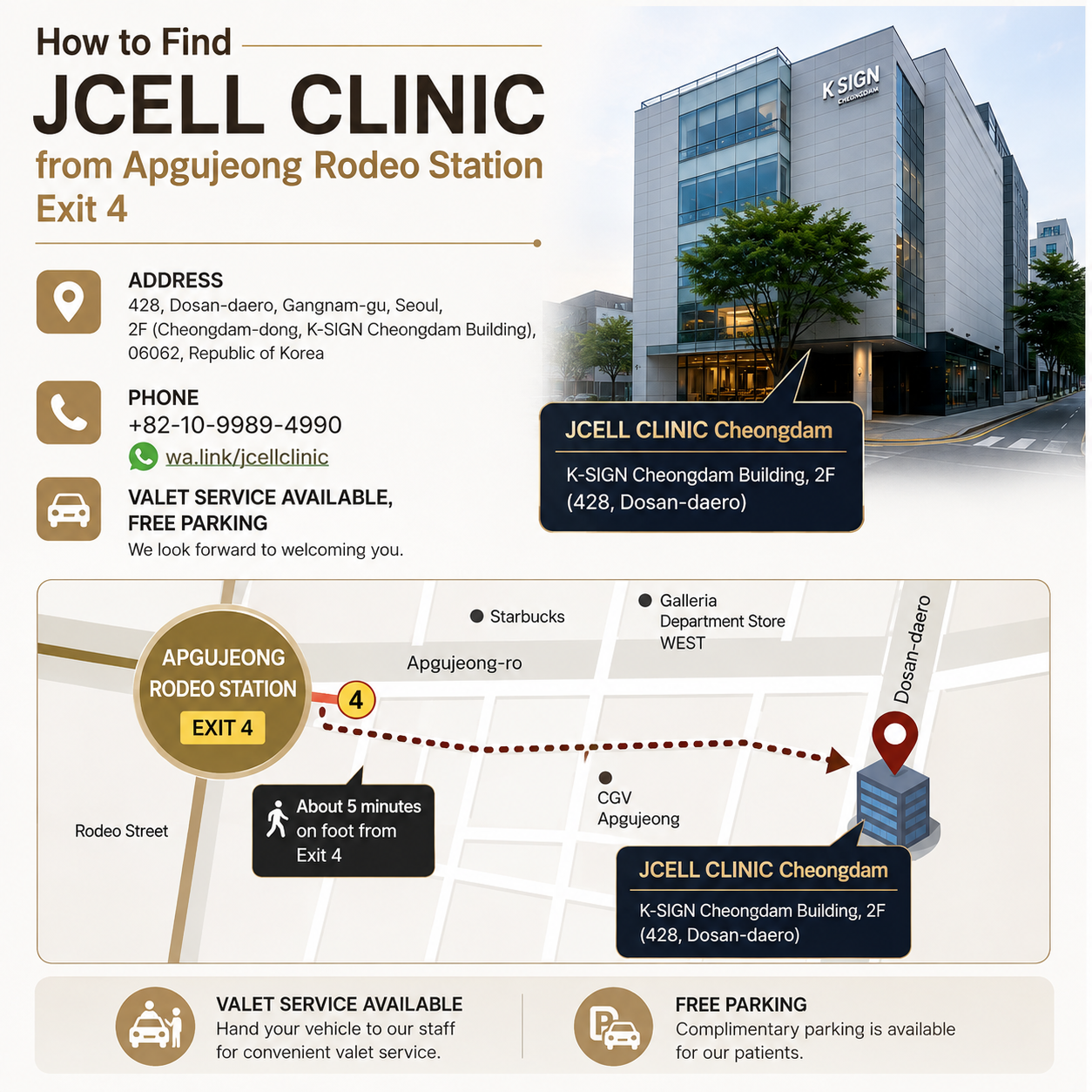
Cheongdam is located in
Gangnam, Seoul, and is known for its concentration of dermatology and aesthetic medicine services.
Its location provides convenient access for both local residents and international visitors seeking professional skin care.
Cheongdam is also accessible for patients staying around:
- Gangnam
- Apgujeong
- Sinsa
- COEX
- Samseong
- Seongsu
- Jamsil
- Itaewon
- Central Seoul
For international visitors, this can make it easier to arrange a dermatology consultation during a short or extended stay in Seoul.
Who May Consider Seeing a Dermatologist for a Rash?
Professional dermatology consultation may be suitable for patients who:
- Have an unexplained skin rash
- Experience recurring redness or itching
- Develop irritation after using skincare products
- Have suspected allergies
- Experience persistent dryness or inflammation
- Develop facial or hand rashes
- Have tried basic skincare without sufficient improvement
- Are concerned about eczema or dermatitis
- Cannot identify the cause of their symptoms
- Are visiting Seoul and need professional dermatologic care
Patients with recurring symptoms may particularly benefit from bringing information about previous treatments, products, medications, and possible triggers.
Frequently Asked Questions
What causes a skin rash?
Skin rashes can result from eczema, contact dermatitis, allergic reactions, infections, medications, irritation, dry skin, environmental exposure, and other inflammatory conditions. The cause cannot always be determined from appearance alone.
Can skincare products cause skin rashes?
Yes. Cosmetics, fragrances, cleansers, sunscreens, skincare ingredients, and other products can cause irritation or allergic reactions in some people. Reviewing recently introduced products can be useful during consultation.
Can stress cause a skin rash?
Stress can worsen symptoms in some inflammatory skin conditions, but an unexplained rash should not automatically be attributed to stress. Persistent or recurring symptoms should be professionally evaluated.
Can international patients see a dermatologist for a rash in Seoul?
Yes. International visitors, expats, and foreign residents can seek professional dermatologic evaluation in Seoul. Cheongdam JCELL Dermatology Clinic provides personalized care for international patients with skin rashes and related concerns.
Can I receive treatment on the same day as my consultation?
Depending on the skin condition, selected treatment, and appointment availability, same-day treatment may be possible. Consultation should generally take place first to determine the appropriate approach.
Should I bring my skincare products to the clinic?
If possible, bring products you recently started using, photographs of their labels, or ingredient lists. This can be particularly helpful when investigating contact dermatitis or product-related irritation.
Will I need follow-up treatment?
It depends on the underlying condition. Some temporary rashes may improve after the cause is addressed, while chronic conditions such as eczema or recurring dermatitis may require ongoing management.
Dermatologist for Skin Rashes in Cheongdam, Gangnam
Cheongdam JCELL Dermatology Clinic provides personalized dermatologic care for patients seeking a dermatologist for skin rashes in Seoul. Through professional skin evaluation and individualized treatment planning, patients can address concerns including unexplained rashes, itching, redness, irritation, swelling, inflammation, and recurring skin reactions.
From eczema and contact dermatitis to allergic reactions, hives, sensitive skin, and other inflammatory conditions, treatment can be considered according to each patient's individual symptoms and skin condition. For international patients living in Korea or visiting Seoul,
Cheongdam JCELL Dermatology Clinic offers a convenient setting for professional dermatology care in
Cheongdam, Gangnam.