Acne Dermatologist in Gangnam, Seoul
Cheongdam JCELL Dermatology Clinic
Consult experienced acne specialists at Cheongdam JCELL Dermatology Clinic in Gangnam, Seoul, with personalized dermatology care focused on identifying acne triggers, managing breakouts, and improving overall skin clarity.
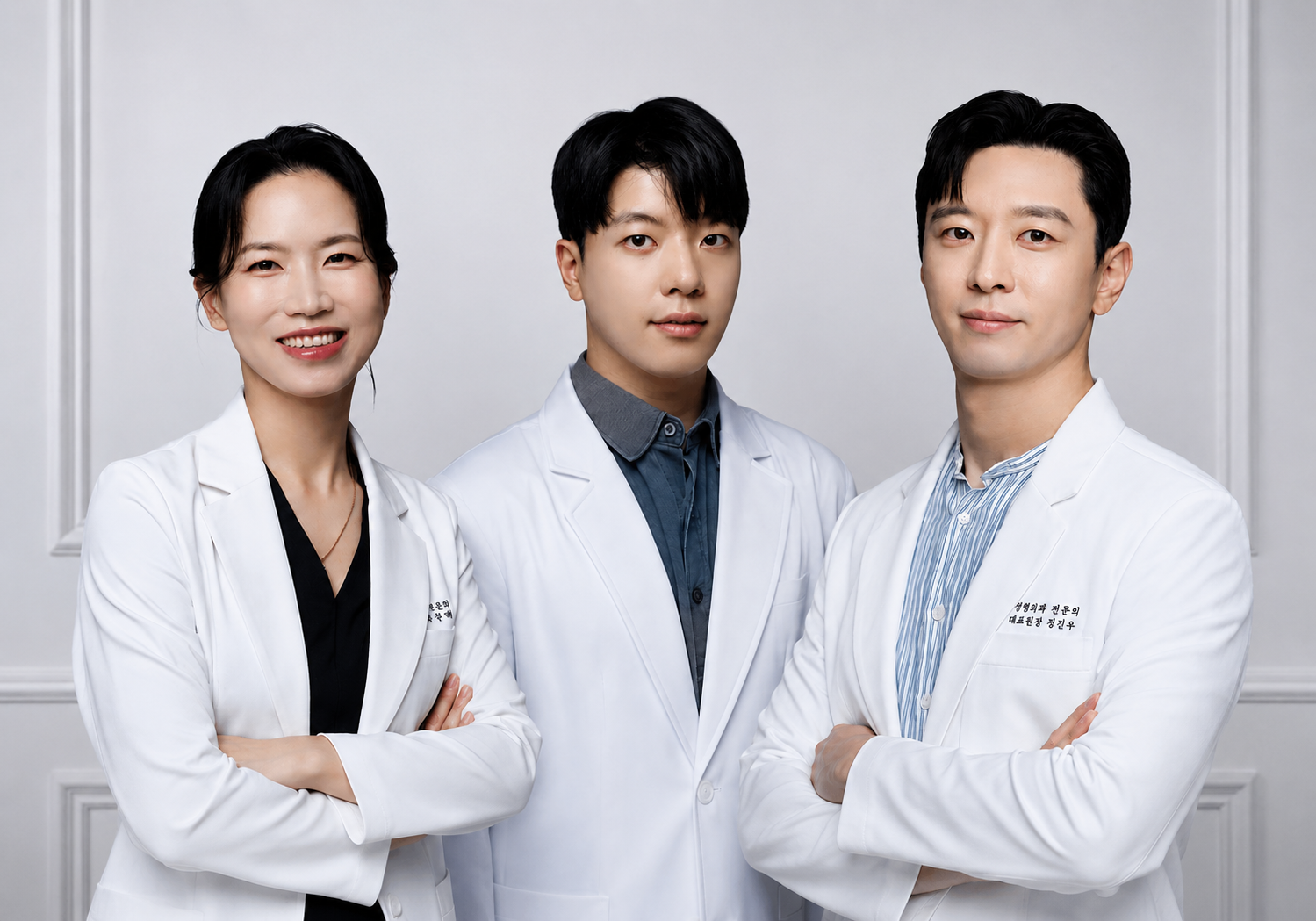
Finding the right acne dermatologist is important when breakouts are persistent, painful, recurring, or leaving marks and scars. At Cheongdam JCELL Dermatology Clinic, acne care is guided by a dermatologist who evaluates the type, severity, distribution, and possible contributing factors of each patient's acne before developing an individualized treatment plan.
Acne can involve excess sebum, clogged pores, inflammation, hormonal changes, skin sensitivity, and other factors. Treatment may therefore include medical acne care, topical or oral medications when appropriate, procedures, sebum control, and management of post-acne marks or scars.
What Does an Acne Dermatologist Treat?
An acne dermatologist can evaluate and manage different forms of acne and related skin concerns.
Common reasons to seek professional acne care include:
- Blackheads and whiteheads
- Inflamed pimples
- Papules and pustules
- Nodular or cystic acne
- Recurring breakouts
- Hormonal acne
- Jawline and chin acne
- Oily or congested skin
- Post-acne redness
- Dark acne marks
- Acne scars
- Enlarged pores
- Uneven skin texture
Because acne can change over time, treatment may need to be adjusted according to the patient's current skin condition and response.
Acne Evaluation by a Dermatologist
A professional acne evaluation looks beyond individual pimples to understand the overall condition of the skin.
A dermatologist may assess:
- Type and severity of acne
- Location and distribution of breakouts
- Sebum production
- Clogged pores
- Degree of inflammation
- Acne-related pigmentation
- Existing acne scars
- Skin sensitivity
- Previous treatments
- Current medications and skincare
This evaluation helps determine whether the primary concern is active inflammation, excess oil, hormonal patterns, clogged pores, or a combination of factors.
Inflammatory Acne Treatment in Cheongdam
Inflammatory acne can appear as red, swollen, painful, or pus-filled lesions. More severe inflammation may develop into deeper nodules or cyst-like lesions.
Treatment should be selected according to the severity and pattern of inflammation. Depending on the individual condition, a dermatologist may consider:
- Medical acne medications
- Anti-inflammatory treatment
- Procedures for active lesions
- Sebum-control treatments
- Laser or light-based treatments
- Combination treatment
Early management of significant inflammation can also be important for reducing the risk of persistent post-acne marks and scarring.
Adult & Hormonal Acne
Acne is not limited to teenagers. Adults can experience persistent or recurring breakouts, particularly around the chin, jawline, and lower face.
Adult acne may be associated with hormonal changes, stress, skincare or cosmetic products, lifestyle factors, or an ongoing tendency toward inflammation and excess sebum.
A dermatologist can evaluate the pattern and history of adult acne and determine whether medical treatment, skincare adjustments, procedures, or a combination approach may be appropriate.
Acne Treatment for Oily & Congested Skin
Excess sebum and clogged pores can contribute to recurring breakouts and make the skin appear rough or congested.
Patients may notice:
- Frequent blackheads
- Whiteheads
- Enlarged-looking pores
- Persistent facial shine
- Rough skin texture
- Recurring pimples
When excess oil and congestion are major concerns, treatment may focus on improving sebum control and keeping pores clearer while managing active acne.
The treatment plan should be balanced carefully because overly aggressive oil removal can also irritate sensitive or acne-prone skin.
Acne Treatment & Acne Scars
Acne can leave permanent structural changes when inflammation damages deeper skin tissue.
Common acne scar types include:
- Rolling scars
- Boxcar scars
- Ice pick scars
A dermatologist can distinguish active acne from established scarring and determine when it is appropriate to transition from acne control to scar-focused treatment.
Depending on the scar type, procedures such as microneedling, Potenza, laser treatment, subcision, TCA CROSS, or combination approaches may be considered.
Acne & Post-Acne Marks
Not every mark remaining after acne is a true scar. Redness and dark pigmentation can remain after an inflammatory breakout even when the skin surface itself is relatively smooth.
Post-acne concerns may include:
- Red acne marks
- Dark spots
- Uneven pigmentation
- Persistent redness
- Uneven skin tone
Treatment can be planned according to whether the primary concern is pigmentation, redness, inflammation, or structural scarring. Protecting the skin from excessive sun exposure and controlling new breakouts are also important parts of long-term management.
Personalized Acne Treatment in Cheongdam
There is no single acne treatment that works equally well for every patient.
Depending on the diagnosis and skin condition, acne management may include:
- Prescription topical medications
- Oral medications when appropriate
- Acne-focused procedures
- Laser or light-based treatments
- Sebum-control treatment
- Professional skin treatments
- Skincare recommendations
- Acne scar management
- Combination treatment
The treatment plan can be adjusted over time as the patient's acne improves, recurs, or changes in severity.
Acne Treatment Process in Cheongdam
1. Dermatologist Consultation
The dermatologist reviews the patient's acne history, current symptoms, previous treatments, medications, skincare routine, and main concerns.
2. Skin Evaluation
The skin is examined to determine acne type, severity, inflammation, sebum production, clogged pores, pigmentation, and existing scars.
3. Personalized Treatment Plan
Treatment is selected according to the patient's diagnosis and goals. Medical treatment, procedures, skincare, or a combination approach may be recommended.
4. Follow-Up
Acne can fluctuate and recur, so follow-up allows treatment to be adjusted according to the skin's response and any new breakouts or post-acne concerns.
Acne Treatment Results & Recovery
Acne treatment is generally a process rather than a one-time procedure. The time required for improvement depends on the type and severity of acne, selected treatment, previous treatment history, and individual response.
Some treatments have little to no downtime, while certain in-office procedures may cause temporary redness, swelling, sensitivity, or peeling.
Patients should follow their dermatologist's instructions regarding cleansing, skincare, medications, sun protection, and post-treatment care. Avoiding unnecessary picking or squeezing of acne can also help reduce the risk of additional marks and scars.
Frequently Asked Questions
When should I see an acne dermatologist?
Consider seeing a dermatologist when acne is persistent, painful, frequently recurring, difficult to control with skincare, or leaving dark marks or scars. Professional evaluation can help identify the type and severity of acne and establish an appropriate treatment plan.
What does an acne dermatologist do?
An acne dermatologist evaluates the type, severity, and possible contributing factors of acne and develops a treatment plan. Depending on the condition, this may include medications, procedures, skincare recommendations, or combination treatment.
Can a dermatologist treat hormonal acne?
Yes. A dermatologist can evaluate the pattern and severity of suspected hormonal acne and determine appropriate treatment options based on the patient's individual condition and medical history.
Can an acne dermatologist treat acne scars too?
Yes. Once active acne is appropriately controlled, a dermatologist can evaluate remaining acne scars and determine whether treatments such as Potenza, microneedling, laser treatment, subcision, TCA CROSS, or other procedures may be appropriate.
Can I see a dermatologist for mild acne?
Yes. Professional evaluation can be useful even when acne is mild, particularly if breakouts are recurring, leaving marks, or not responding to your current skincare routine.
How long does acne treatment take?
The treatment period varies according to acne severity, treatment method, and individual response. Acne management often requires continued care and adjustments rather than a single treatment session.
Can I get acne treatment while I have active breakouts?
Yes. Treating active acne is one of the primary reasons patients visit an acne dermatologist. The specific treatment depends on the type and severity of the current breakouts.
Can skincare alone treat acne?
Skincare can help manage oil, clogged pores, and irritation, but persistent or moderate-to-severe acne may require professional medical treatment. A dermatologist can determine whether skincare alone is appropriate.
Can international patients see an acne dermatologist in Cheongdam?
Yes. International patients can receive dermatologist-led acne evaluation and treatment in Cheongdam. Bringing information about previous medications, procedures, skincare products, allergies, and treatment history can help make the consultation more productive.
Acne Dermatologist in Cheongdam, Seoul
An Acne Dermatologist in Cheongdam can provide individualized evaluation and treatment for active acne, recurring breakouts, inflammation, oily skin, clogged pores, post-acne marks, and acne scars. Cheongdam JCELL Dermatology Clinic provides dermatologist-led acne care based on the patient's current skin condition, treatment history, and individual concerns.
Rather than treating every breakout in the same way, a personalized approach can identify the factors contributing to acne and determine whether medical treatment, acne-focused procedures, skincare management, or combination treatment may be appropriate.
For patients searching for Acne Dermatologist in Cheongdam, Acne Doctor in Seoul, or Acne Treatment Clinic in Cheongdam, a dermatologist consultation can provide a structured approach to clearer-looking skin and long-term acne management.