Ultherapy for Jawline Lifting in Gangnam, Seoul
Cheongdam JCELL Dermatology Clinic
Explore Ultherapy for jawline lifting at Cheongdam JCELL Dermatology Clinic in Gangnam, Seoul, with focused ultrasound treatment designed to improve lower-face firmness and create more defined jawline contours.
A defined jawline can have a significant influence on the overall appearance of the face. As skin elasticity decreases with age, the lower face may gradually lose firmness, the jawline can become less distinct, and early jowling or loose skin beneath the chin may become more noticeable.
For patients looking for Ultherapy for Jawline Lifting in Seoul, focused ultrasound treatment can be considered when skin and tissue laxity are important contributors to the loss of jawline definition.
Ultherapy is a non-surgical treatment that uses focused ultrasound energy to create controlled thermal stimulation beneath the skin. This process is designed to support collagen remodeling and gradually improve the appearance of firmness.
At Cheongdam JCELL Dermatology Clinic, jawline lifting can be approached according to the patient's individual facial anatomy, skin condition, degree of laxity, and desired contour. The clinic offers Ultherapy among its lifting treatments and provides customized treatment planning for patients seeking non-surgical facial rejuvenation.
The objective is not simply to tighten the skin around the jaw. Instead, treatment planning considers how the cheeks, lower face, jawline, chin, and upper neck relate to one another.
How Ultherapy Helps Define the Jawline
Ultherapy delivers focused ultrasound energy to selected tissue layers beneath the skin. The energy creates controlled thermal points that stimulate a natural tissue response and support collagen remodeling.
As this process develops, the treated skin may gradually appear firmer.
For the jawline, this can be relevant when laxity has caused the lower facial contour to look softer or less defined.
Common concerns include:
- Mild sagging along the jawline
- Early jowling
- Loss of lower-face firmness
- Loose skin beneath the chin
- A blurred transition between the jaw and neck
- Age-related loss of facial definition
The treatment does not physically pull the skin upward like a thread lift, nor does it surgically remove excess skin. Instead, the goal is to encourage gradual tightening through controlled ultrasound stimulation.
Ultherapy also does not change the underlying bone structure. The shape of the jawline is influenced by the mandible, chin projection, facial fat, muscle, and soft tissue as well as the skin.
This distinction is important when establishing realistic expectations.
A patient may perceive a less-defined jawline as "sagging," while the actual concern may be primarily related to submental fat or facial structure. In such cases, tightening alone may not create the desired degree of definition.
Ultherapy is most relevant when skin laxity is a meaningful contributor to the patient's jawline concern.
Jawline, Jowls, and Under-Chin Laxity
Jawline aging rarely occurs in isolation.
Changes in the lower face can involve the cheeks, jowls, chin, and upper neck at the same time. Treating only one small area may therefore not always create the most balanced improvement.
Jawline Laxity
When the skin along the lower face becomes less firm, the previously clear jawline can appear softer.
Focused ultrasound can be directed toward appropriate areas where laxity is contributing to this change.
The aim is generally to create a firmer-looking contour rather than dramatically alter the patient's facial shape.
Early Jowling
Jowls can appear as tissue gradually descends toward the lower portion of the face.
In the early stages, reduced skin firmness may be an important factor.
Ultherapy may be considered when mild laxity is responsible for part of the change.
More advanced jowling with substantial excess skin may require a different treatment approach.
Under-Chin Skin
Loose skin beneath the chin can make the jawline appear less distinct even when the jaw itself has a strong structure.
When lax skin is the main issue, ultrasound tightening may help improve the appearance of firmness in this area.
However, excess fat beneath the chin is a separate concern.
Patients with significant submental fullness may require an evaluation for fat-reduction or contouring options rather than relying on skin tightening alone.
Jawline and Neck Transition
The visual connection between the jaw and neck also influences facial definition.
Mild laxity extending below the jaw can make the lower face look heavier.
A treatment plan may therefore consider the surrounding areas rather than focusing only on the visible edge of the jaw.
A balanced jawline treatment considers the entire lower-face contour instead of treating the jawline as an isolated line.
Personalized Ultherapy Jawline Treatment in Seoul
Facial anatomy differs significantly from one person to another.
For this reason, an identical Ultherapy treatment pattern is not necessarily appropriate for every patient seeking jawline lifting.
At Cheongdam JCELL Dermatology Clinic, treatment planning can take into account factors such as:
- Location and degree of skin laxity
- Skin elasticity
- Tissue thickness
- Cheek descent
- Early jowling
- Jawline definition
- Under-chin skin
- Neck laxity
- Facial volume
- Overall facial proportions
- Previous aesthetic treatments
- Desired degree of improvement
These factors help determine which areas should be prioritized.
For example, a younger patient with early jawline softening may require a different approach from an older patient with more noticeable lower-face laxity.
Likewise, someone with a naturally slim face may have different treatment considerations from someone with fuller facial tissue.
Natural-Looking Contour Improvement
The purpose of non-surgical jawline lifting is not necessarily to create the tightest possible appearance.
A natural result generally depends on maintaining the relationship between the cheeks, chin, jaw, and neck.
Overly aggressive treatment is not automatically better.
Instead, the goal is to improve firmness where appropriate while preserving the patient's existing facial character.
Ultherapy may be particularly appealing to patients who want gradual improvement rather than a dramatic change in facial identity.
The ideal treatment plan is based on the patient's anatomy and goals, not simply on a standard number of treatment lines or a predetermined treatment area.
Treatment Process, Comfort, and Recovery
An Ultherapy jawline treatment generally begins with a consultation and assessment of the lower face.
The treatment provider evaluates the areas of concern and determines whether skin laxity is an appropriate target.
During treatment, focused ultrasound energy is delivered to selected tissue depths.
Patients may feel:
- Warmth
- Tingling
- Pressure
- Brief pulses
- Tenderness
- Temporary sensitivity
The sensation can differ depending on the treatment area, energy level, tissue characteristics, and individual sensitivity.
Because Ultherapy is non-invasive, there is generally no surgical incision or suture and no prolonged surgical recovery.
Temporary reactions may nevertheless occur.
These can include:
- Redness
- Swelling
- Tenderness
- Sensitivity
- Tingling
- A temporary feeling of tightness
Patients should follow the clinic's individual post-treatment instructions and report unusual or persistent symptoms to their medical provider.
When Will the Jawline Look More Defined?
Ultherapy is not designed to create its complete effect immediately.
Some patients may notice an early feeling of firmness, but the more gradual improvement is associated with collagen remodeling after treatment.
Over time, the lower face may appear:
- Firmer
- More refined
- Better defined
- Less affected by mild laxity
- More clearly separated from the neck
The degree of change varies according to the patient's baseline skin condition and individual response.
Patients should therefore avoid judging the final outcome immediately after the procedure.
Ultherapy is a gradual treatment, so the development of the result is part of the treatment process rather than an immediate before-and-after transformation.
Who Is a Good Candidate for Ultherapy Jawline Lifting?
Ultherapy may be considered for adults who are beginning to notice reduced firmness around the lower face and want a non-surgical option.
Potential candidates may have:
- Mild to moderate jawline laxity
- Early jowling
- Reduced lower-face firmness
- Loose skin beneath the chin
- Mild neck laxity
- A gradually blurred jawline
- Early age-related changes in facial contour
It may also be suitable for people who are not ready for surgical lifting or prefer a treatment without incisions and prolonged recovery.
However, Ultherapy is not designed to correct every type of jawline concern.
Patients whose primary issue is substantial fat, significant excess skin, pronounced volume loss, or underlying facial structure may require another treatment strategy.
Ultherapy vs. Surgical Jawline Lifting
A surgical facelift can physically reposition facial tissues and remove excess skin.
Ultherapy takes a different approach.
It provides focused ultrasound stimulation without surgical tissue removal or repositioning.
This makes it more suitable for selected degrees of laxity, particularly when the patient wants a gradual and non-surgical improvement.
Patients with significant skin redundancy should discuss whether a surgical procedure or another treatment would provide a more appropriate solution.
Ultherapy should be viewed as a non-surgical option for appropriate jawline laxity rather than a direct substitute for every surgical lifting procedure.
Ultherapy for Jawline Lifting in Seoul for International Patients
Seoul is a popular destination for patients seeking aesthetic treatments, and Cheongdam is one of the areas known for medical aesthetic and dermatology clinics.
For international patients considering jawline lifting, a consultation can help clarify whether the visible loss of definition is primarily related to skin laxity or another factor.
Patients visiting Seoul may be concerned about:
- A softer jawline
- Early jowls
- Sagging cheeks
- Loose skin beneath the chin
- Mild neck laxity
- Loss of facial firmness
Treatment planning can take the patient's travel schedule into account.
Although Ultherapy generally has limited downtime compared with surgery, temporary redness, swelling, tenderness, or sensitivity can occur.
Patients who have a wedding, photoshoot, business appointment, or other important event should therefore allow sufficient time between treatment and the event.
International patients should also inform the clinic about other aesthetic procedures they have recently received or plan to receive during their trip.
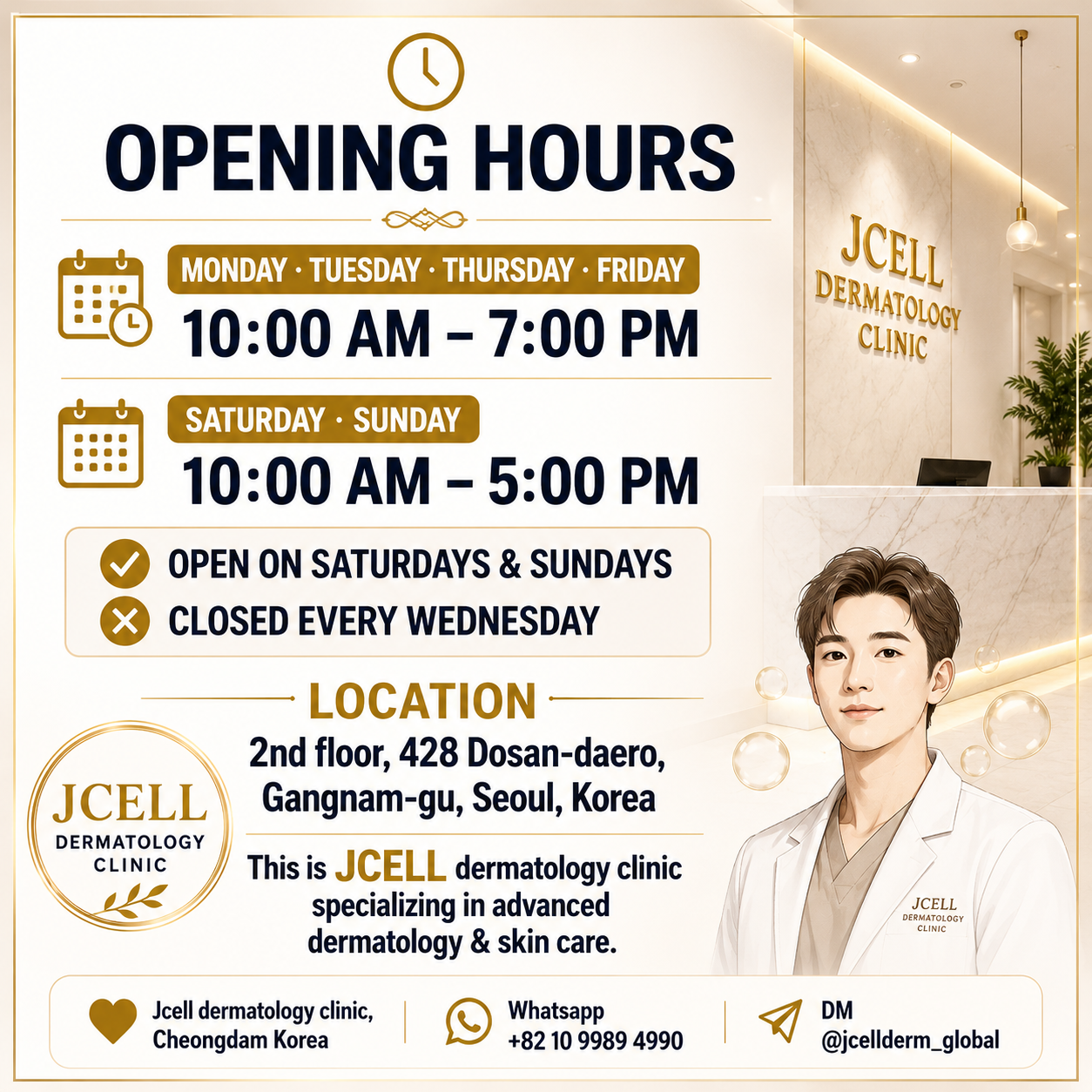
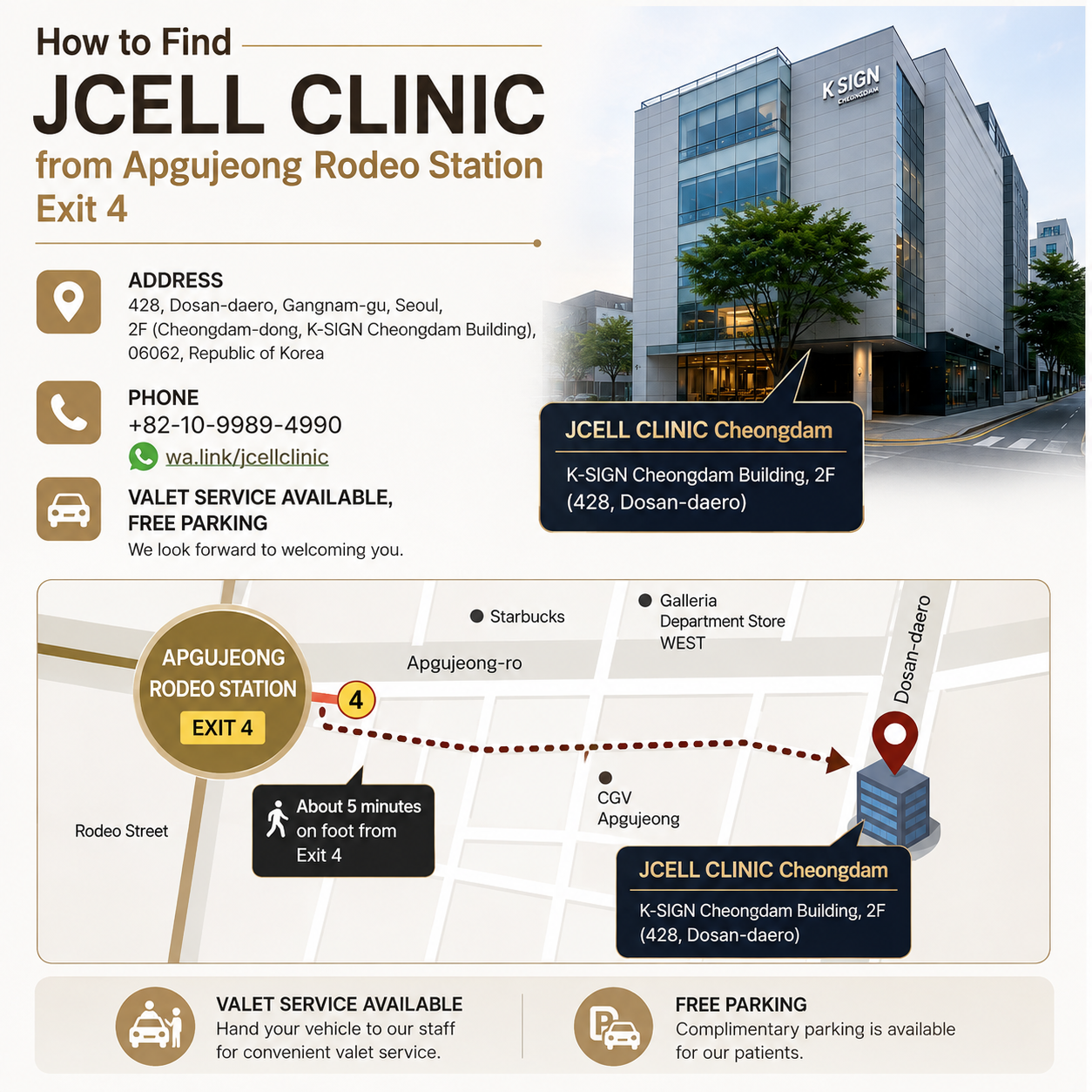
At Cheongdam JCELL Dermatology Clinic, international patients can receive individualized consultation and treatment planning for non-surgical lifting and facial contour concerns. The clinic is located at 428 Dosan-daero, Gangnam-gu, Seoul, in Cheongdam, and its current treatment listings include Ultherapy Prime among its lifting procedures.
Frequently Asked Questions
Can Ultherapy lift the jawline?
Ultherapy may improve the appearance of a less-defined jawline when skin and tissue laxity are important contributors. It does not physically reposition the jaw or alter the underlying bone.
Can Ultherapy improve early jowls?
It may help improve the appearance of early jowling when reduced skin firmness is a significant factor. More advanced jowling with substantial excess skin may require another approach.
Can Ultherapy treat loose skin under the chin?
Yes, Ultherapy may be considered when loose skin beneath the chin contributes to reduced jawline definition. It is not primarily a treatment for excess fat.
Will Ultherapy make my jawline sharper?
It may create a firmer and more defined-looking contour when laxity is the main concern. The degree of definition depends on the patient's anatomy, skin condition, and other factors affecting facial shape.
Does Ultherapy remove jawline fat?
No. Ultherapy is primarily intended to address skin laxity and firmness rather than remove significant amounts of facial or submental fat.
Is Ultherapy painful?
Patients may experience warmth, tingling, pressure, or brief pulses during treatment. Individual comfort varies according to the treatment area and personal sensitivity.
Is there downtime after jawline Ultherapy?
Ultherapy generally involves considerably less downtime than surgical lifting. Temporary redness, swelling, tenderness, sensitivity, or tingling can nevertheless occur.
When will I see jawline lifting results?
Some patients may notice an early sense of firmness, but the more gradual improvement develops as collagen remodeling takes place. The result should be assessed over time rather than immediately after treatment.
How long does the Ultherapy jawline result last?
Longevity varies according to individual skin condition, aging process, lifestyle, and treatment response. Because aging continues after treatment, the appearance will gradually change over time.
How many Ultherapy treatments do I need for my jawline?
There is no single treatment schedule suitable for everyone. The appropriate approach depends on the degree of laxity, treatment area, facial anatomy, and individual response.
Can Ultherapy replace a facelift?
No. Ultherapy is a non-surgical treatment and cannot reproduce all of the structural changes possible with facelift surgery. It may be appropriate for selected patients with mild to moderate laxity.
Can Ultherapy be combined with other jawline treatments?
Depending on the patient's condition, Ultherapy may be incorporated into a broader facial contouring or rejuvenation plan. The timing and suitability of other treatments should be assessed individually.
Is Ultherapy suitable for international patients visiting Seoul?
Yes. International patients can consult a medical provider in Seoul regarding Ultherapy and discuss treatment timing based on their facial concerns and travel schedule.
Can I receive Ultherapy at Cheongdam JCELL Dermatology Clinic?
Yes. Cheongdam JCELL Dermatology Clinic lists Ultherapy Prime among its lifting treatments and provides personalized treatment planning for patients seeking non-surgical lifting and facial contour improvement.
Ultherapy for Jawline Lifting in Seoul
Ultherapy for Jawline Lifting in Seoul can be an option for patients who are experiencing mild to moderate lower-face laxity and want to improve jawline definition without undergoing surgery. Focused ultrasound energy creates controlled thermal stimulation beneath the skin and supports a gradual collagen-remodeling response.
The treatment can be considered for concerns such as early jowling, reduced jawline firmness, loose skin beneath the chin, and mild laxity extending toward the neck. However, jawline appearance is influenced by multiple factors, including skin elasticity, facial fat, volume, muscle, chin projection, and bone structure.
At Cheongdam JCELL Dermatology Clinic, treatment planning can be tailored to the patient's facial anatomy, degree of laxity, skin condition, and desired level of contour improvement. The clinic's current treatment information lists Ultherapy Prime as part of its lifting program and is located in Cheongdam, Gangnam, Seoul.
For local residents, expats, and international visitors seeking
Ultherapy for Jawline Lifting in Seoul,
Cheongdam JCELL Dermatology Clinic offers an individualized approach to non-surgical jawline tightening and lower-face rejuvenation.