Ultherapy for Double Chin in Gangnam, Seoul
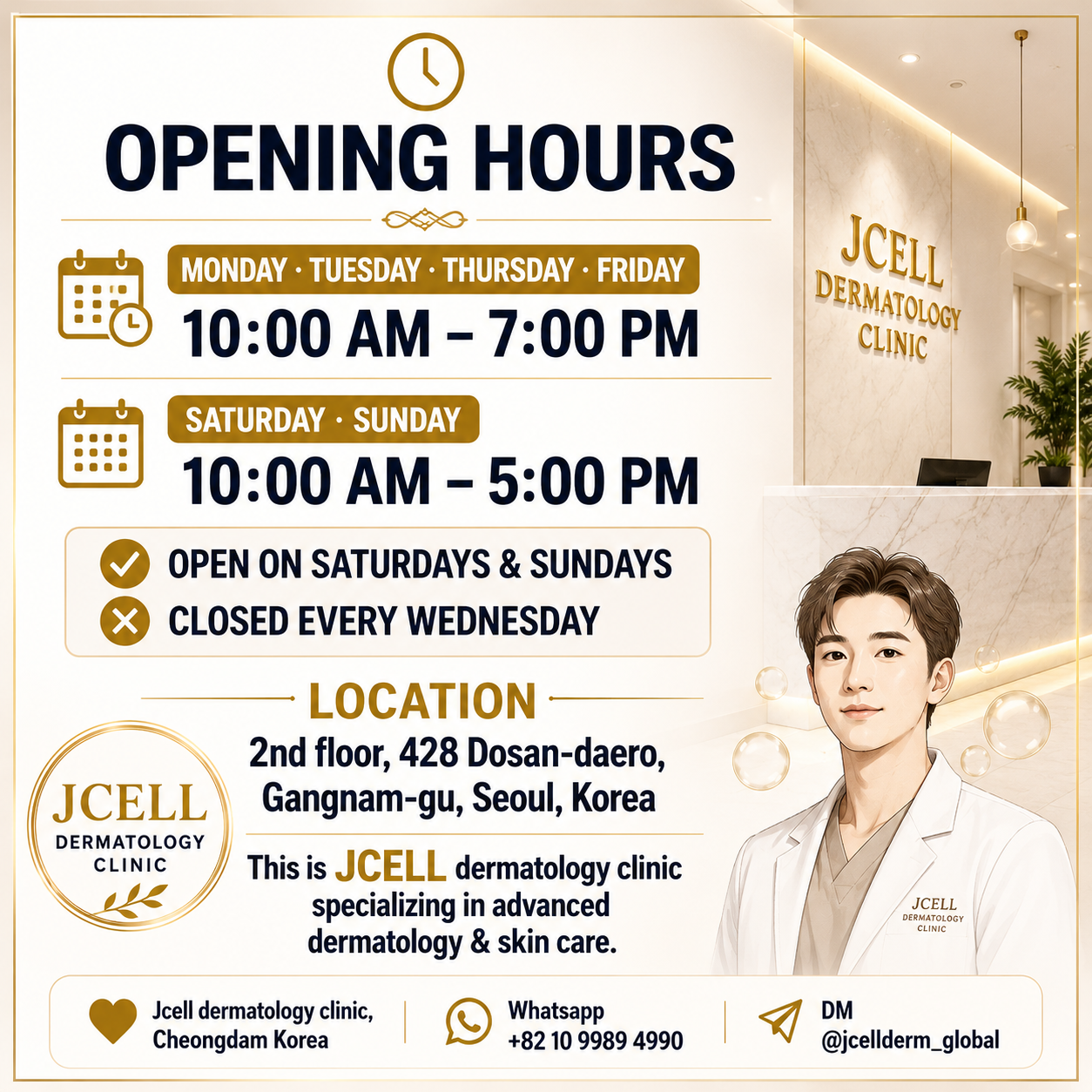
Cheongdam JCELL Dermatology Clinic
Discover Ultherapy for double chin concerns at Cheongdam JCELL Dermatology Clinic in Gangnam, Seoul, with focused ultrasound care designed to improve lower-face firmness and create a more defined jawline.
A double chin can become more noticeable as the skin beneath the chin gradually loses elasticity and firmness. Although excess fat is often associated with a fuller area under the chin, loose skin and age-related tissue laxity can also make the lower face appear heavier and less defined.
For patients considering Ultherapy for Double Chin in Seoul, it is important to determine whether loose skin is a significant part of the concern. Ultherapy is a non-surgical ultrasound lifting treatment designed to stimulate selected tissue layers beneath the skin and support gradual collagen remodeling.
At Cheongdam JCELL Dermatology Clinic, Ultherapy Prime can be considered for patients who want to improve the appearance of submental skin laxity and create a more defined-looking transition between the chin, jawline, and neck.
What Causes a Double Chin?
A double chin can have several different causes, and the appearance is not always related to excess fat alone.
Common contributing factors include:
- Submental fat
- Loose or stretched skin
- Reduced skin elasticity
- Age-related tissue descent
- Weight fluctuations
- Chin projection
- Jaw and neck anatomy
- Natural soft-tissue distribution
These factors can occur individually or together.
For example, a younger patient may have a fuller area beneath the chin primarily because of genetics or fat distribution, while an older patient may notice the same area becoming more prominent because the skin has become loose.
A patient can also have relatively little submental fat but still develop a visible double chin because of skin laxity.
Fat vs. Skin Laxity
This distinction is particularly important when considering Ultherapy.
Ultherapy is primarily a skin tightening and lifting treatment. It does not work by directly removing substantial amounts of fat beneath the chin.
If excess fat is the dominant cause of fullness, tightening the overlying skin may not significantly reduce the size of the area.
On the other hand, if loose skin is making the area appear heavier, improving skin firmness may create a clearer and more refined contour.
Some patients have both concerns. In these cases, a treatment plan may need to address each contributing factor separately.
Understanding the underlying cause is the first step toward choosing an appropriate treatment for a double chin.
How Ultherapy Works for Double Chin
Ultherapy uses focused ultrasound energy to create controlled thermal stimulation at selected depths beneath the skin.
Rather than heating the entire surface, the energy is concentrated at specific points within the targeted tissue layers.
This controlled stimulation can activate a natural tissue response associated with collagen remodeling.
The process can be summarized as:
- Focused ultrasound energy is delivered to selected tissue depths.
- Controlled thermal stimulation occurs at treatment points.
- The body's natural tissue response is initiated.
- Collagen remodeling develops gradually.
- Skin firmness may improve over time.
- The treated area may appear more defined as laxity decreases.
Because the result develops through a gradual biological process, Ultherapy is different from procedures that immediately change facial volume or physically reposition tissue.
Why Collagen Matters
Collagen provides structural support within the skin.
As collagen production and organization change with age, skin can gradually become less firm. This can contribute to sagging beneath the chin and a softer jawline.
Ultherapy is designed to stimulate a response in the targeted tissue rather than simply tightening the surface temporarily.
The resulting improvement develops progressively, so patients should not expect the complete outcome immediately after treatment.
Ultrasound Visualization
Ultherapy incorporates ultrasound visualization to help the practitioner identify tissue layers during treatment.
This can assist with selecting an appropriate treatment depth based on the patient's anatomy.
The submental area is not identical in every patient. Tissue thickness and the relationship between skin, fat, and deeper structures can vary considerably.
For this reason, individualized treatment planning is important.
The goal is controlled stimulation of the appropriate tissue rather than simply treating the largest possible area.
Areas That Can Be Addressed
Although the primary concern may be a double chin, the visible contour of the area is influenced by several connected regions.
Under the Chin
Loose skin beneath the chin can create a softer and less defined appearance.
When laxity is a major factor, Ultherapy may help improve the appearance of firmness in this area.
Jawline
The jawline can lose definition when lower-face skin begins to descend.
Treating appropriate areas around the jawline may help create a smoother and more defined-looking contour when laxity is contributing to the concern.
Upper Neck
The transition between the jaw and neck also affects how prominent a double chin appears.
Mild laxity extending toward the upper neck may be considered as part of the overall treatment plan.
Lower Face
Some patients have laxity extending from the cheeks or early jowls toward the jawline.
In these cases, the lower face may need to be considered together with the submental area to create a balanced result.
The most appropriate treatment area depends on where laxity is actually contributing to the patient's contour.
Ultherapy for Jawline Definition
A double chin and a poorly defined jawline often appear together.
When the skin beneath the chin becomes loose, the border between the lower face and neck can become blurred. This may make the entire lower face appear heavier.
For suitable patients, improving submental skin firmness may therefore have an additional benefit for jawline definition.
Creating a Cleaner Jaw-to-Neck Transition
The objective is not necessarily to create an extremely sharp jawline.
Instead, the goal may be to make the transition between:
- Chin
- Jawline
- Lower face
- Neck
appear more continuous and defined.
A modest improvement in skin firmness can sometimes make the lower face look more refined without changing the patient's fundamental facial structure.
What Ultherapy Cannot Change
Ultherapy does not alter:
- Jawbone shape
- Chin projection
- Significant facial fat
- Muscle size
- Overall skeletal structure
These factors can strongly influence the appearance of the jawline.
A patient with a naturally recessed chin, for example, may still have a relatively soft-looking profile even after skin tightening.
This is why realistic expectations are an important part of treatment planning.
Personalized Treatment at Cheongdam JCELL Dermatology Clinic
Every face has different proportions, tissue thickness, and patterns of skin laxity.
At Cheongdam JCELL Dermatology Clinic, Ultherapy treatment can be planned according to the patient's individual facial characteristics and treatment goals.
The assessment may consider:
- Degree of submental laxity
- Skin elasticity
- Tissue thickness
- Amount of submental fullness
- Jawline definition
- Chin projection
- Lower-face contour
- Upper-neck laxity
- Previous aesthetic procedures
- Desired degree of tightening
These factors help determine whether Ultherapy is appropriate and which areas should receive attention.
Treatment Depth
Different tissue depths may be relevant depending on the treatment area and individual anatomy.
Ultherapy Prime includes ultrasound imaging that allows visualization of tissue layers during treatment.
This can help guide the practitioner when selecting the appropriate depth for the intended target.
The objective is not simply to maximize treatment intensity.
Instead, treatment should be matched to the patient's tissue characteristics and desired outcome.
Maintaining Facial Proportions
A natural-looking result is particularly important around the chin and jawline.
Over-tightening is not necessarily the goal.
For many patients, the preferred result is a subtle improvement that makes the lower face appear firmer and more defined while maintaining their existing facial identity.
Who May Be a Candidate?
Ultherapy may be considered for adults who have mild to moderate skin laxity beneath the chin and prefer a non-surgical approach.
Potential candidates may have:
- Loose skin beneath the chin
- Early loss of jawline definition
- Mild lower-face sagging
- Early jowling
- Reduced skin elasticity
- Mild upper-neck laxity
- A desire for gradual tightening
It can be particularly relevant when skin laxity is more significant than excess fat.
Patients With Early Aging Changes
As collagen and skin elasticity gradually decrease, the area beneath the chin may begin to loosen.
At this stage, a patient may not have enough excess skin to consider surgery but may still feel that the lower face has become less defined.
A non-surgical lifting treatment may be considered in such situations.
Patients Who Want Non-Surgical Treatment
Ultherapy does not require surgical incisions or sutures.
This can make it attractive to people who want to address early laxity while avoiding the recovery associated with a facelift or neck lift.
However, the expected degree of improvement should always be discussed realistically.
When Ultherapy May Not Be Enough
Ultherapy is not intended to correct every type of double chin.
If the main concern is significant submental fat, skin tightening alone may not produce enough reduction in fullness.
Similarly, substantial excess skin may be beyond what a non-surgical treatment can realistically correct.
Significant Submental Fat
Patients with considerable fat beneath the chin may need to consider treatments specifically designed for fat reduction.
Ultherapy may still address a component of skin laxity, but it should not be expected to function as a primary fat-removal procedure.
Significant Excess Skin
When there is substantial skin redundancy, surgical lifting may provide a more pronounced correction.
A neck lift or facelift can remove excess skin and reposition deeper tissues in ways that non-surgical ultrasound treatment cannot.
Structural Causes
A double-chin appearance can also be influenced by chin projection and jaw anatomy.
In these cases, improving skin firmness alone may not completely change the profile.
Choosing the right treatment depends on identifying the dominant cause rather than treating the visible symptom alone.
Ultherapy Treatment Process
Treatment generally begins with a consultation and assessment of the chin, jawline, and surrounding areas.
The practitioner evaluates the degree of laxity and determines whether the patient's concern is appropriate for ultrasound lifting.
If treatment is appropriate, the target areas and treatment depths are planned according to individual anatomy.
During Treatment
Focused ultrasound energy is delivered to selected areas beneath the skin.
Patients may experience:
- Warmth
- Tingling
- Pressure
- Brief pulses
- Prickling sensations
- Temporary tenderness
The experience varies from patient to patient.
Sensitivity can also differ between treatment areas.
Treatment Time
The duration depends on the area being treated and the treatment plan.
Cheongdam JCELL Dermatology Clinic currently lists approximately 30–90 minutes for Ultherapy Prime, although the actual duration can vary according to the patient's treatment area and protocol.
After Treatment
Ultherapy does not involve surgical incisions or sutures.
Temporary reactions can nevertheless occur, including:
- Redness
- Swelling
- Tenderness
- Sensitivity
- Tingling
- A temporary feeling of tightness
Patients should follow the clinic's individual aftercare recommendations.
If unusual or persistent symptoms occur, they should contact their treating medical provider.
Results and Recovery
Ultherapy is designed to produce gradual rather than immediate lifting.
Some patients may notice a feeling of firmness relatively early, but the more progressive changes develop as the tissue undergoes collagen remodeling.
Potential Improvements
Depending on the patient's condition, treatment may contribute to:
- Firmer-looking skin beneath the chin
- Improved jawline definition
- A smoother chin-to-neck transition
- Reduced appearance of mild laxity
- A more refined lower-face contour
The degree of improvement varies significantly between individuals.
Factors That Affect Results
Results can be influenced by:
- Age
- Skin quality
- Degree of laxity
- Tissue thickness
- Amount of submental fat
- Facial anatomy
- Treatment parameters
- Individual collagen response
For this reason, two patients receiving treatment in the same general area may experience different outcomes.
Recovery
Compared with surgical lifting, Ultherapy generally involves limited downtime.
Patients may usually return to their regular activities relatively quickly, but temporary reactions are possible.
Anyone planning a wedding, photoshoot, business event, or other important occasion should consider treatment timing carefully.
International visitors should also account for possible temporary swelling, redness, or tenderness when arranging their Seoul itinerary.
Ultherapy vs. Other Double Chin Approaches
Double-chin treatment can involve several different strategies depending on the underlying cause.
Ultherapy
Ultherapy primarily targets skin and tissue laxity through focused ultrasound stimulation.
It may be suitable when:
- Loose skin is the main concern
- The laxity is mild to moderate
- The patient prefers non-surgical treatment
- Gradual improvement is acceptable
Fat-Reduction Treatments
Fat-reduction procedures are more directly focused on excess submental fat.
If fullness is mainly caused by fat rather than loose skin, these treatments may be more relevant.
Surgical Neck Lift
A neck lift can address more substantial skin excess and tissue descent.
It may be considered when the degree of laxity is beyond what a non-surgical treatment can reasonably improve.
Combination Approaches
Some patients have both excess fat and skin laxity.
In these situations, a combination of treatments may be considered depending on the patient's anatomy and goals.
The appropriate approach depends on the cause of the double chin, not simply on how prominent the area looks.
Ultherapy for International Patients in Seoul
Seoul is a major destination for patients seeking aesthetic dermatology and non-surgical facial treatments.
International patients considering Ultherapy for Double Chin in Seoul can discuss their concerns during a consultation and determine whether loose skin is an appropriate treatment target.
Patients commonly seek treatment for:
- Loose skin under the chin
- Early jawline softening
- Mild lower-face sagging
- Early jowling
- Reduced skin firmness
- A blurred chin-to-neck transition
Planning Around Travel
Although Ultherapy generally requires less recovery than surgery, temporary reactions can still occur.
International patients may therefore want to avoid scheduling treatment immediately before:
- Long flights
- Professional photography
- Weddings
- Major business events
- Other important appointments
The treatment schedule can be discussed with the clinic according to the patient's itinerary.
Patients should also tell the clinic about other aesthetic procedures received recently or planned during the same trip.
Treatment in Cheongdam
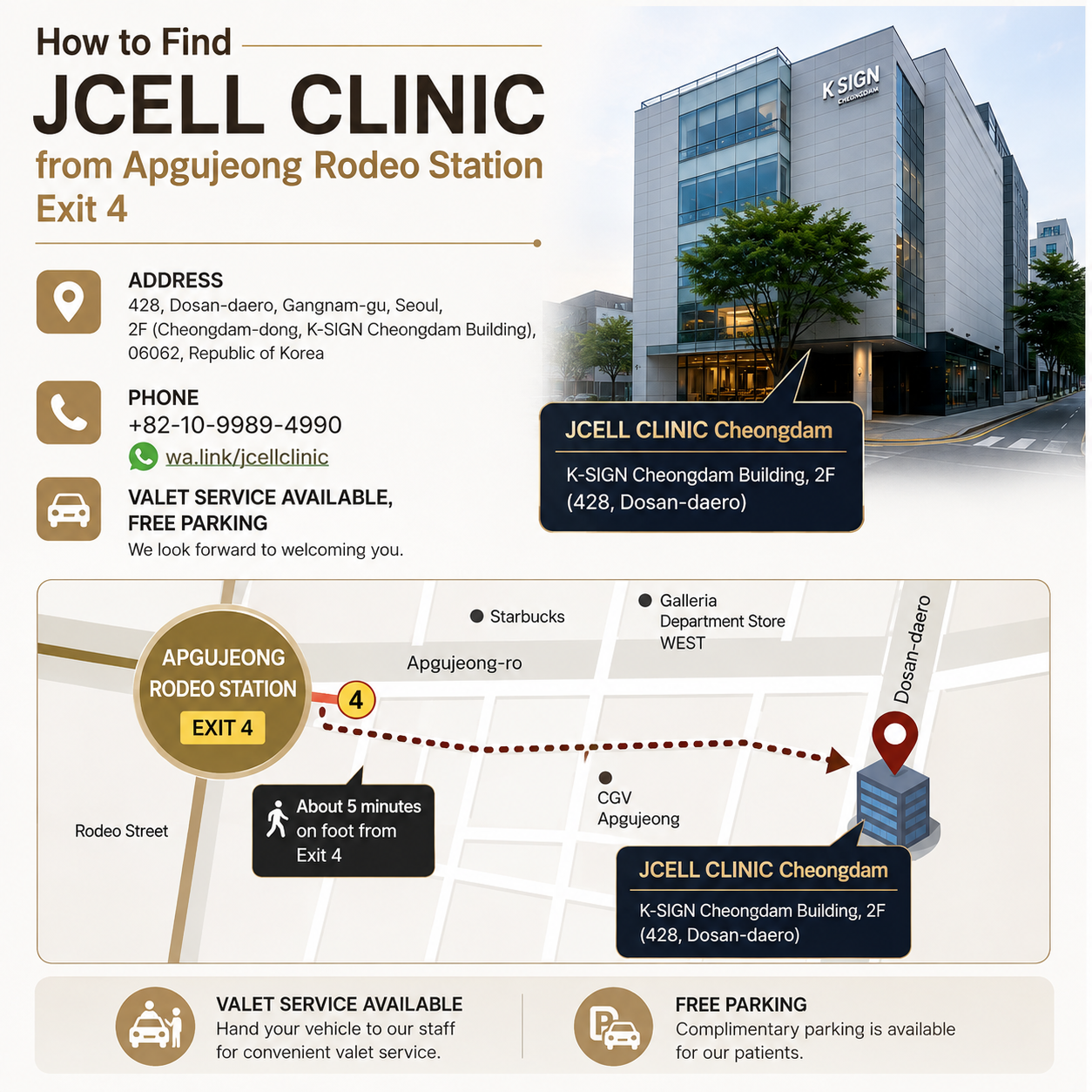
Cheongdam JCELL Dermatology Clinic is located in Cheongdam, Gangnam, Seoul, and currently lists Ultherapy Prime among its lifting treatments.
For international visitors, an individualized consultation can help determine whether the appearance of a double chin is mainly related to skin laxity, fat, facial structure, or a combination of factors.
Frequently Asked Questions
Can Ultherapy reduce a double chin?
Ultherapy may improve the appearance of a double chin when loose skin beneath the chin is a significant contributor. It is primarily a skin-tightening treatment and is not designed to remove substantial amounts of fat.
Does Ultherapy remove fat under the chin?
No. Ultherapy primarily targets skin and tissue laxity. Patients with significant submental fat may need a different or additional treatment approach.
Can Ultherapy tighten loose skin under the chin?
Yes. Ultherapy is designed to lift lax tissue beneath the chin and in the neck area in appropriate patients.
Can Ultherapy improve the jawline?
It may improve the appearance of jawline definition when loose skin contributes to a softer contour.
Is Ultherapy suitable for an aging double chin?
It may be appropriate when age-related loss of elasticity and skin laxity are major contributors.
What if I have both fat and loose skin?
A consultation can determine which factor is contributing more significantly. Tightening may address the skin component, while additional treatment may be considered for excess fat.
Does Ultherapy hurt?
Patients may experience warmth, tingling, pressure, or brief pulses during treatment. The level of discomfort varies according to individual sensitivity and treatment area.
Is there downtime after Ultherapy?
Downtime is generally limited compared with surgical lifting, although temporary redness, swelling, tenderness, sensitivity, or tingling can occur.
When will I see results?
Results develop gradually. Some patients may notice early firmness, while more progressive changes occur as collagen remodeling takes place.
How long do Ultherapy results last?
The duration varies depending on individual skin condition, age, treatment response, and the ongoing aging process. Ultherapy does not permanently stop skin aging.
How many Ultherapy treatments do I need?
There is no universal treatment schedule. The appropriate approach depends on the degree of laxity, treatment area, anatomy, and individual response.
Can Ultherapy replace a neck lift?
No. A surgical neck lift can remove excess skin and reposition tissue, while Ultherapy provides non-surgical ultrasound stimulation. They are different treatment approaches.
Can Ultherapy be combined with fat-reduction treatment?
It may be possible to combine treatments when both fat and skin laxity contribute to the double chin. The timing and suitability should be determined by a medical professional.
Can international patients receive Ultherapy for double chin in Seoul?
Yes. International patients can receive a consultation in Seoul to determine whether their double-chin concern is appropriate for Ultherapy and whether additional treatment may be necessary.
Can I receive Ultherapy at Cheongdam JCELL Dermatology Clinic?
Cheongdam JCELL Dermatology Clinic currently lists Ultherapy Prime among its lifting treatments and includes the double-chin area among the treatment regions.
Ultherapy for Double Chin in Seoul
Ultherapy for Double Chin in Seoul can be considered for patients whose double-chin appearance is partly caused by loose or less firm skin beneath the chin. Focused ultrasound stimulates selected tissue layers and supports gradual collagen remodeling without surgical incisions.
The treatment may help improve submental skin firmness, jawline definition, and the transition between the chin and neck. However, excess fat, chin projection, jaw structure, and significant excess skin can also influence the appearance of a double chin.
At Cheongdam JCELL Dermatology Clinic, Ultherapy Prime treatment can be planned according to the patient's skin laxity, facial anatomy, tissue characteristics, and desired degree of improvement. The clinic is located in Cheongdam, Gangnam, Seoul, making it an option for both local and international patients seeking non-surgical lower-face tightening.