Dermatologist for Moles in Gangnam, Seoul
Cheongdam JCELL Dermatology Clinic
Receive professional mole evaluations at Cheongdam JCELL Dermatology Clinic in Gangnam, Seoul, with personalized consultations to assess individual mole concerns and recommend appropriate treatment options.
Moles are common skin growths that can vary in size, color, shape, and texture. Most moles are harmless, but a new mole or noticeable change in an existing mole may deserve professional evaluation. A dermatologist can assess whether a mole appears benign, should be monitored, or may require further diagnostic evaluation.
At Cheongdam JCELL Dermatology Clinic, patients receive personalized dermatology care in Cheongdam, Gangnam, Seoul. The clinic provides individualized evaluation and treatment planning for moles, pigmented spots, skin lesions, and other dermatologic concerns.
For international patients living in Korea or visiting Seoul, a professional consultation can help address concerns about changing moles, cosmetic removal, previous treatments, and appropriate follow-up.
What Is a Mole?
A mole, also called a nevus, is a common skin growth that develops when pigment-producing cells cluster together. Moles can appear anywhere on the skin and may be flat, raised, light, dark, small, or relatively large.
Moles can vary in:
- Color
- Size
- Shape
- Surface texture
- Location
- Border
- Whether they are flat or raised
Many moles remain stable throughout life. However, changes in an existing mole or the development of a new unusual lesion should not automatically be assumed to be harmless.
A dermatologist can examine the lesion and determine whether simple observation, cosmetic removal, or additional evaluation may be appropriate.
When Should You See a Dermatologist for a Mole?
A professional mole evaluation may be appropriate when you notice a significant change or when a mole looks different from your other skin spots.
You may consider a consultation if you notice:
- A mole changing in size
- A change in shape
- An irregular or uneven border
- Multiple colors within one mole
- A mole becoming significantly darker
- Persistent itching
- Bleeding or crusting
- Pain or tenderness
- A new and unusual skin lesion
- A mole that is rapidly changing
- A spot that looks noticeably different from surrounding moles
These changes do not automatically mean that a mole is dangerous. However, they are reasons to have the lesion assessed rather than relying only on appearance or assumptions.
Personalized Mole Evaluation in Cheongdam
Every mole is different, and treatment decisions should be based on the characteristics of the individual lesion.
During consultation, a dermatologist may review the mole's appearance, history, location, and any changes noticed by the patient.
The consultation may consider:
- When the mole first appeared
- Whether it has changed over time
- Changes in color or size
- Changes in shape or border
- Itching or irritation
- Bleeding or crusting
- Previous mole treatments
- Family or personal skin history
- Cosmetic concerns
- The patient's preferred treatment outcome
Photographs taken at different points in time can also be helpful when discussing whether a mole has changed.
Mole Treatment at Cheongdam JCELL Dermatology Clinic
At Cheongdam JCELL Dermatology Clinic, mole concerns are approached through individualized skin and lesion assessment before a treatment method is selected. Depending on the characteristics of the lesion, the recommendation may involve monitoring, cosmetic removal, or additional diagnostic evaluation.
Cosmetic Mole Removal
Some patients seek mole removal because a lesion is cosmetically bothersome or affects the appearance of the face or body.
Common reasons include:
- Facial moles
- Multiple small moles
- A raised mole
- A mole in a highly visible location
- A mole that interferes with shaving
- A mole repeatedly irritated by clothing
- A mole that the patient simply prefers to remove
The appropriate removal method depends on factors such as the mole's size, depth, color, location, and overall clinical appearance.
Facial Mole Removal
Facial moles are a common cosmetic concern because even a small lesion can be noticeable.
Before treatment, the dermatologist can consider the mole's characteristics and the potential for post-treatment marks or scarring.
Treatment planning may consider:
- Location on the face
- Size and depth
- Pigmentation
- Raised or flat appearance
- Skin type
- Previous treatment history
- Expected healing
- Cosmetic goals
Facial mole treatment should prioritize appropriate lesion assessment as well as cosmetic appearance.
Multiple Moles
Some patients have several moles on the face or body and may want multiple lesions evaluated during the same consultation.
A dermatologist can assess each lesion individually because moles on the same person may have different characteristics.
The consultation may help determine which lesions are:
- Appropriate for monitoring
- Suitable for cosmetic removal
- Requiring closer observation
- Appropriate for further diagnostic evaluation
Treating every mole in exactly the same way is not always appropriate.
Laser Mole Removal in Seoul
Laser treatment may be considered for selected benign moles or pigmented lesions after professional assessment. However, not every mole is appropriate for laser treatment.
Before recommending laser treatment, the lesion may be evaluated according to:
- Size
- Color
- Shape
- Depth
- Location
- Surface characteristics
- Changes over time
- Overall clinical appearance
If a lesion appears suspicious or requires diagnostic examination, another treatment or evaluation approach may be more appropriate.
For this reason, a mole should generally be assessed before cosmetic laser removal rather than treating an unfamiliar pigmented lesion without evaluation.
Mole Assessment & Skin Lesion Diagnosis
Moles can sometimes look similar to other pigmented or raised skin lesions.
A dermatologist can consider whether a spot is consistent with a benign mole or whether another type of skin lesion should be considered.
Professional assessment may be useful for:
- New pigmented spots
- Changing moles
- Raised lesions
- Irregularly shaped lesions
- Unusual pigmentation
- Persistent irritation
- Lesions that bleed or crust
- Skin growths with unclear characteristics
The goal is not simply to remove a visible spot, but to understand what type of lesion is being treated and determine an appropriate management strategy.
Mole Removal for Different Skin Types
Skin type can be an important consideration when planning mole treatment.
Patients with more pigmentation may be more susceptible to temporary pigmentation changes following certain dermatologic procedures.
Treatment planning may therefore consider:
- Natural skin tone
- Pigmentation tendency
- Location of the mole
- Treatment depth
- Expected healing
- Sun exposure
- Aftercare requirements
- Previous reactions to dermatologic procedures
Treatment parameters should be individualized rather than applying the same approach to every patient.
International visitors should also consider their travel schedule, especially when treatment involves visible redness, crusting, or a recovery period.
Aftercare Following Mole Removal
Aftercare can influence the healing process following mole removal.
The exact instructions depend on the treatment method, location, size of the lesion, and individual skin response.
Patients may receive guidance regarding:
- Keeping the treated area clean
- Protecting the area from excessive sun exposure
- Avoiding unnecessary picking or scratching
- Following recommended wound-care instructions
- Using prescribed products when appropriate
- Monitoring changes during healing
- Attending follow-up appointments when recommended
Sun protection can be particularly important because newly treated skin may be more vulnerable to pigmentation changes.
When Should a Changing Mole Be Checked?
A mole that changes noticeably should be evaluated by a dermatologist rather than immediately treated as a cosmetic concern.
Consider professional assessment when:
- A mole grows quickly
- Its shape becomes more irregular
- The border changes
- Its color becomes uneven
- Several colors appear within the lesion
- It begins to bleed
- It develops persistent crusting
- It becomes painful
- It repeatedly itches
- A new unusual mole appears
A changing mole does not necessarily indicate a serious problem. However, professional assessment can help determine whether monitoring, removal, or additional evaluation is appropriate.
Mole Checks for International Patients in Seoul
Finding a dermatologist for a new or changing mole can feel more complicated when you are traveling or living outside your home country.
International patients may also have previous photographs, medical records, or treatment information from another country.
At Cheongdam JCELL Dermatology Clinic, international patients can discuss:
- New or changing moles
- Pigmented spots
- Previous mole removal
- Previous skin examinations
- Cosmetic concerns
- Current skin condition
- Previous dermatology treatments
- Desired treatment goals
- Aftercare
- Follow-up needs
The clinic's mole-care information specifically describes services for expats, international students, business travelers, tourists, long-term foreign residents, and medical tourists seeking dermatologic care in Seoul.
If you have photographs showing how a mole looked previously, bringing them to the consultation can be helpful when discussing changes over time.
What Happens During a Mole Consultation?
1. Consultation
Your concerns, medical history, previous mole treatments, and reasons for seeking evaluation are discussed.
2. Mole Assessment
The dermatologist examines the mole or skin lesion, considering its size, color, shape, location, and overall appearance.
3. Personalized Recommendation
After evaluation, the dermatologist can explain whether the lesion may be appropriate for monitoring, cosmetic removal, or further diagnostic evaluation.
4. Treatment
If removal is appropriate, the selected dermatologic procedure is performed according to the characteristics of the lesion and treatment plan.
5. Follow-Up Care
After removal, individualized aftercare and follow-up recommendations may be provided. If a mole is being monitored, follow-up may help evaluate meaningful changes over time.
Why Choose Cheongdam for Mole Treatment in Seoul?
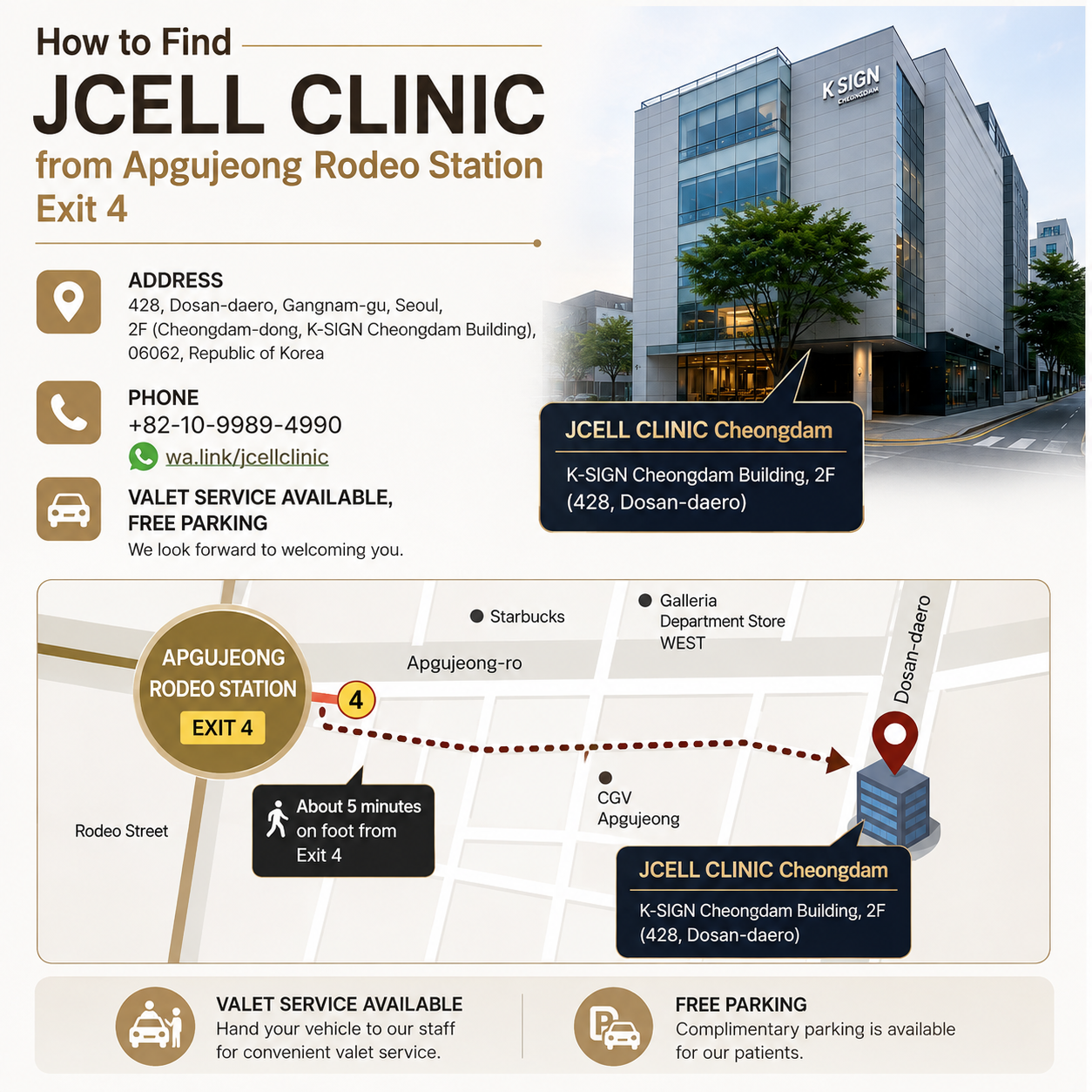
Cheongdam is located in Gangnam, Seoul, and is known for its concentration of dermatology and aesthetic medicine services.
Its location makes it convenient for both local residents and international visitors seeking professional dermatologic care.
Cheongdam is also accessible for patients staying around:
- Gangnam
- Apgujeong
- Sinsa
- COEX
- Samseong
- Seongsu
- Jamsil
- Itaewon
- Central Seoul
For international visitors, this location can make it easier to arrange a dermatology consultation during a short or extended stay in Seoul.
Who May Consider Seeing a Dermatologist for Moles?
Professional dermatology consultation may be suitable for patients who:
- Have a new or changing mole
- Are concerned about an unusual pigmented spot
- Want a mole professionally evaluated
- Have facial moles they would like to remove
- Have multiple cosmetic moles
- Experience repeated irritation from a mole
- Have previously treated a mole and want follow-up
- Are unsure whether a mole is suitable for laser removal
- Want individualized advice before cosmetic mole treatment
- Are visiting Seoul and need professional dermatologic care
Patients with changing or unusual lesions may particularly benefit from seeking evaluation before deciding on cosmetic removal.
Frequently Asked Questions
Can a dermatologist tell if a mole is concerning?
A dermatologist can assess a mole's appearance, history, and characteristics and determine whether it appears benign or whether additional evaluation or monitoring may be appropriate.
Can I get a mole removed in Seoul?
Yes. Mole removal is available as a dermatologic treatment in Seoul. The appropriate method depends on the type, size, depth, location, and characteristics of the individual lesion.
Can facial moles be removed?
Yes. Facial moles can be evaluated for possible removal. Because the face is highly visible, treatment planning should consider both the lesion and the potential for post-treatment marks or scarring.
Can every mole be removed with a laser?
No. Laser treatment is not appropriate for every mole. A dermatologist should assess the lesion first and determine whether laser treatment is suitable.
Should I have a changing mole checked before removing it?
Yes. A new or changing mole should generally be professionally evaluated before cosmetic removal so that the appropriate management approach can be determined.
Can international patients get mole treatment in Seoul?
Yes. International visitors, expats, students, and foreign residents can seek professional mole evaluation and treatment in Seoul. Cheongdam JCELL Dermatology Clinic provides personalized dermatologic care for international patients.
Should I bring photographs of my mole?
Yes. Photographs showing how the mole looked previously can be useful when discussing changes in size, shape, or color over time.
Will I need follow-up after mole removal?
Follow-up depends on the type of lesion and treatment performed. Your dermatologist can provide individualized aftercare and monitoring recommendations.
Dermatologist for Moles in Cheongdam, Gangnam
Cheongdam JCELL Dermatology Clinic provides personalized dermatologic care for patients seeking a dermatologist for moles in Seoul. Through professional skin and lesion assessment, patients can address concerns involving new moles, changing moles, pigmented spots, facial moles, raised lesions, and other skin growths.
From cosmetic mole removal and laser treatment assessment to monitoring and further evaluation of unusual lesions, the appropriate approach can be selected according to each patient's individual skin condition. For international patients living in Korea or visiting Seoul,
Cheongdam JCELL Dermatology Clinic offers a convenient setting for professional dermatology care in
Cheongdam, Gangnam.