Rejuran by a Dermatologist in Gangnam, Seoul
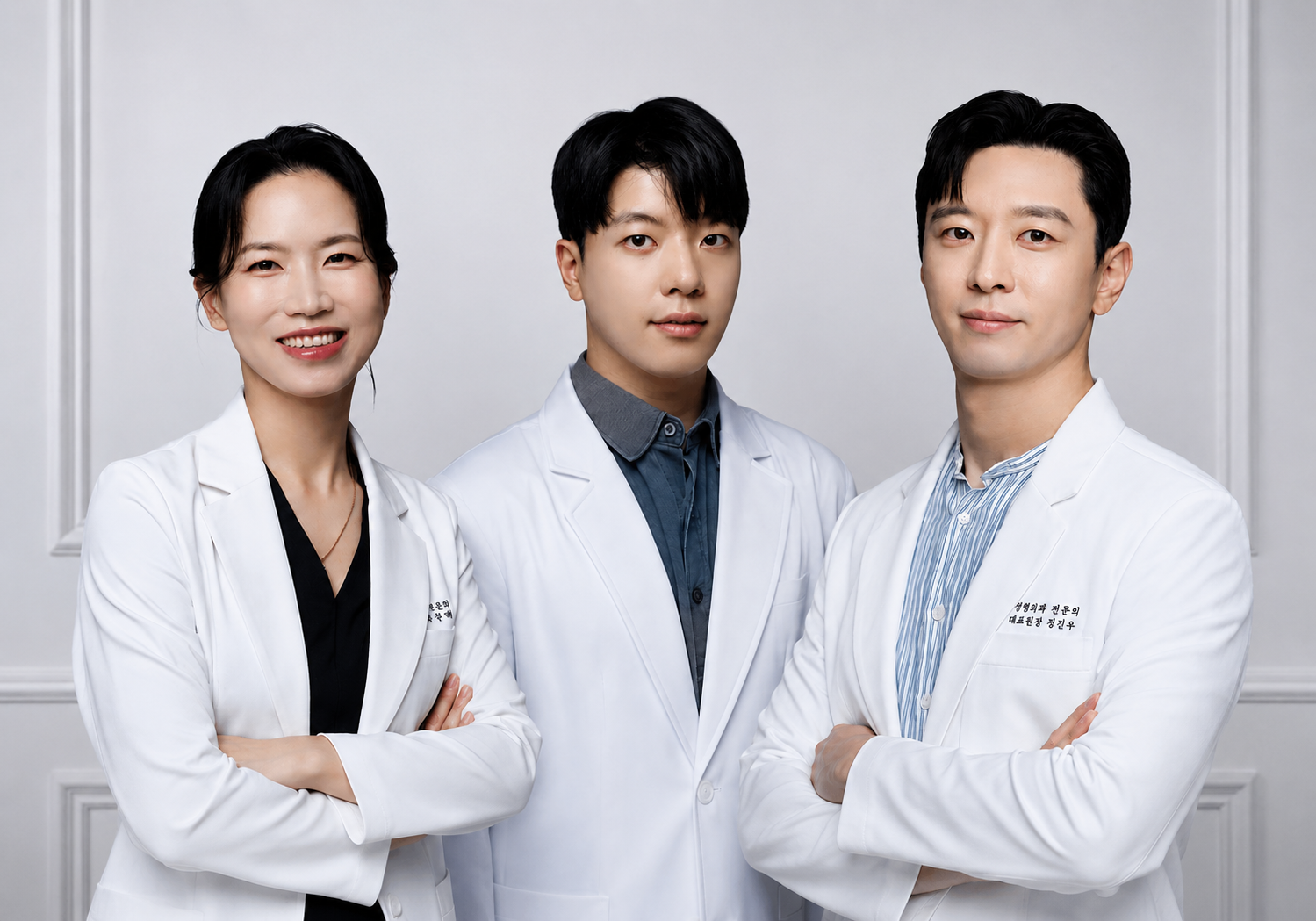
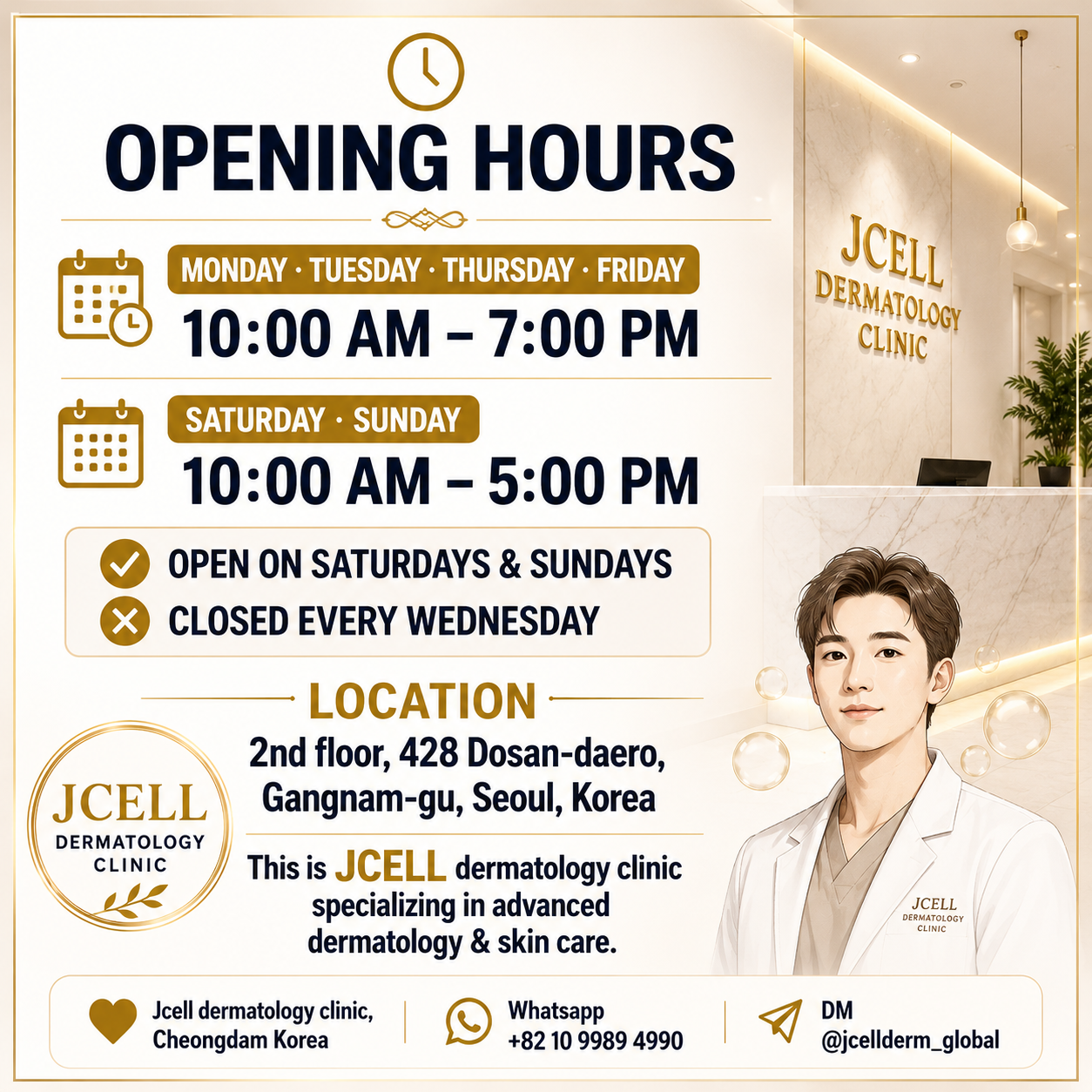
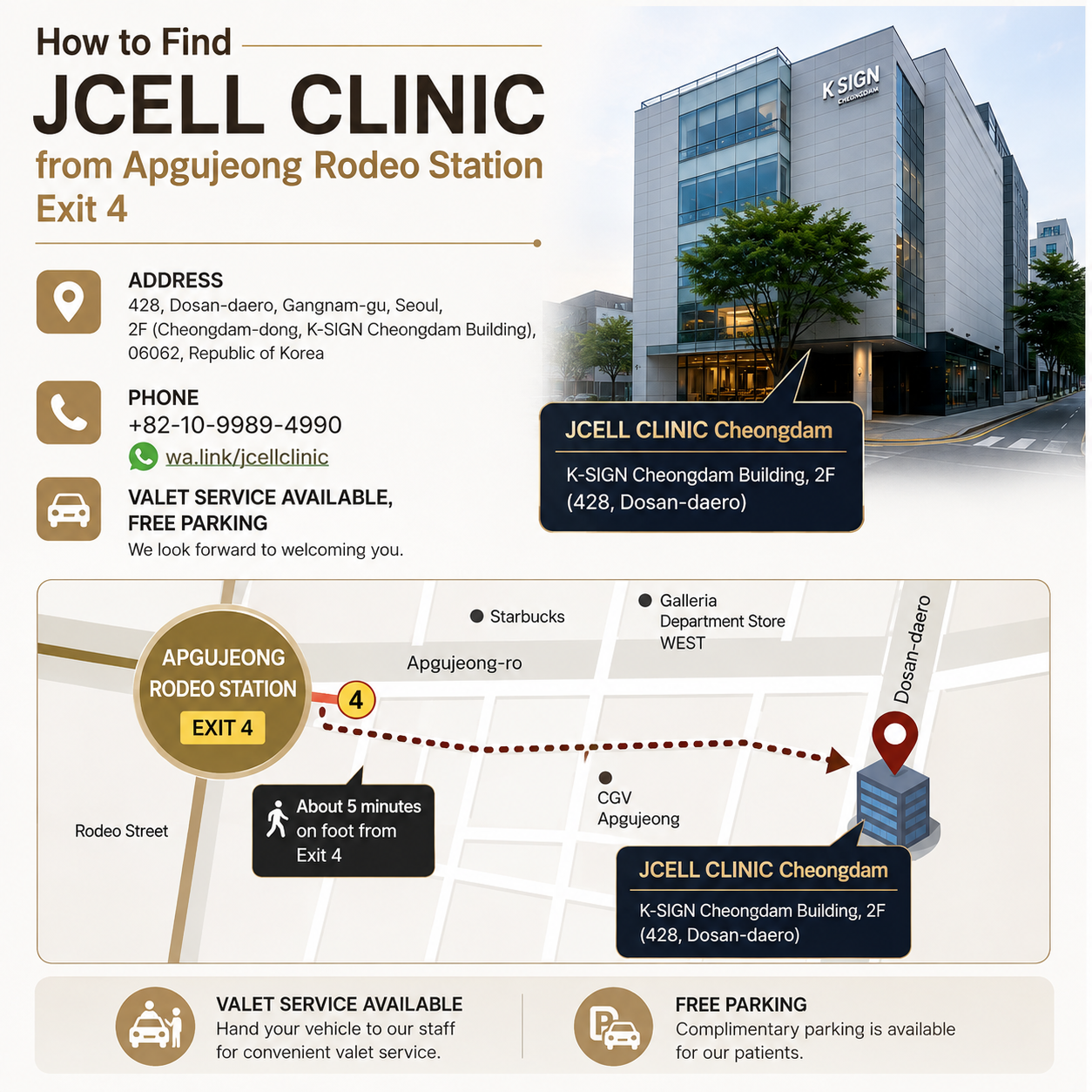
Cheongdam JCELL Dermatology Clinic
Experience dermatologist-led Rejuran treatment at Cheongdam JCELL Dermatology Clinic in Gangnam, Seoul, with personalized skin rejuvenation focused on improving texture, elasticity, hydration, and overall skin quality.
Rejuran is a polynucleotide (PN)-based injectable treatment used to improve overall skin quality, including fine lines, texture, elasticity, and hydration. At Cheongdam JCELL Dermatology Clinic, Rejuran treatment can be planned by a dermatologist according to the patient's skin condition, treatment area, degree of aging, and individual aesthetic goals.
Unlike conventional dermal fillers that primarily add or restore facial volume, Rejuran is generally used as a skin-quality treatment. Clinical research has investigated Rejuran and other polynucleotide treatments for improvements in wrinkles, skin texture, elasticity, and tissue quality.
What Is Rejuran?
Rejuran is a polynucleotide-based injectable treatment developed for skin rejuvenation.
Polynucleotides are used in aesthetic dermatology as skin boosters with the goal of supporting tissue remodeling and improving overall skin condition. A survey of Korean board-certified dermatologists found that PN injections are widely used in clinical practice, particularly for facial fine lines, uneven texture, dry skin, and other skin-quality concerns.
Rejuran may be considered for patients concerned about:
- Fine lines
- Uneven skin texture
- Reduced elasticity
- Dry or dehydrated-looking skin
- Enlarged-looking pores
- Dull complexion
- Early signs of skin aging
- Overall skin quality
Why Choose a Dermatologist for Rejuran?
Rejuran treatment is not simply about injecting the same amount of product into every patient.
Skin thickness, elasticity, facial anatomy, treatment history, and the location of fine lines can differ significantly from one person to another.
A dermatologist can assess:
- Skin texture
- Hydration
- Elasticity
- Fine lines
- Pore visibility
- Skin thickness
- Treatment areas
- Previous injectable procedures
- Overall skin condition
This allows the treatment approach to be adjusted according to the patient's actual skin concerns.
Rejuran for Fine Lines
Fine lines are among the most common reasons patients consider Rejuran.
As skin ages, changes in collagen, elasticity, hydration, and tissue structure can make fine lines increasingly visible.
Rejuran may be considered for fine lines around areas such as:
- Cheeks
- Under-eye area
- Forehead
- Around the eyes
- Other areas with superficial skin aging
A clinical trial evaluating Rejuran for crow's feet found improvements in wrinkle-related measures and skin surface characteristics, although results can vary according to treatment protocol and individual response.
Rejuran for Skin Texture & Pores
Uneven texture and enlarged-looking pores can become more noticeable when the skin loses elasticity or becomes dehydrated.
Rejuran may be incorporated into a treatment plan when the goal is to improve overall skin quality rather than simply conceal individual pores.
A study of intradermal polynucleotide treatment reported improvements in pore appearance and skin thickness among some younger patients, while other age groups showed improvements in wrinkles, skin tone, and sagging.
The underlying cause of enlarged pores should still be assessed because sebum production, acne, follicular structure, and loss of elasticity may all contribute.
Rejuran for Skin Hydration
Dry or dehydrated-looking skin can make fine lines and uneven texture more noticeable.
Polynucleotide treatments are used in aesthetic dermatology with the aim of supporting skin hydration and tissue quality. Expert perspectives on PN treatments describe proposed mechanisms involving a hydrophilic matrix that may support tissue remodeling and hydration.
Rejuran may therefore be considered for patients who want skin that appears:
- More hydrated
- Smoother
- Softer
- More supple
- Healthier-looking
The appropriate treatment depends on the patient's skin condition and whether dehydration is the primary concern.
Rejuran for Skin Elasticity
Reduced elasticity is a common feature of aging skin.
As the skin gradually loses structural support, fine lines, sagging, and changes in texture may become more noticeable.
Rejuran may be considered as part of a skin-quality treatment plan for patients experiencing reduced elasticity.
Clinical research involving Rejuran has reported changes in elasticity and collagen-related measures, although the evidence base for polynucleotide treatments remains limited and treatment outcomes can differ between studies.
Rejuran for Under-Eye Skin
The under-eye area has relatively thin and delicate skin, making fine lines and reduced skin quality particularly noticeable.
Rejuran may be considered for selected patients concerned about:
- Under-eye fine lines
- Thin-looking skin
- Reduced elasticity
- Dehydrated-looking under-eye skin
- Early signs of aging
Because the periocular area contains important anatomical structures, treatment should be carefully planned according to the patient's anatomy and skin condition.
Rejuran for Acne-Related Texture
Previous acne can leave behind uneven texture, enlarged-looking pores, and superficial scars.
Rejuran may be incorporated into a broader treatment plan when improving overall skin quality and tissue condition is part of the goal.
However, deeper atrophic acne scars involve structural changes that may require procedures specifically designed for scar remodeling, such as subcision, laser treatment, or other combination approaches.
Polynucleotide-based treatments have also been investigated for scar-related applications, although further research is needed to establish optimal protocols.
Rejuran vs. Skin Boosters
“Skin booster” is a broad category rather than the name of a single treatment.
Different skin boosters may contain hyaluronic acid, polynucleotides, or other materials and can have different treatment goals.
Rejuran is a specific polynucleotide-based treatment commonly used for skin-quality concerns such as fine lines, texture, elasticity, and hydration.
The choice between Rejuran and another skin booster depends on the patient's skin condition and the primary treatment objective.
Rejuran vs. Dermal Fillers
Rejuran and traditional dermal fillers are designed for different purposes.
Rejuran focuses primarily on skin quality and regenerative or tissue-supportive treatment.
Dermal fillers are generally used to restore or add facial volume and can be selected for contouring or structural correction.
For patients who are satisfied with their facial shape but want to improve the quality of their skin, Rejuran may be considered instead of a conventional volumizing filler.
How a Dermatologist Plans Rejuran Treatment
1. Skin Consultation
The dermatologist reviews the patient's skin concerns, medical history, previous aesthetic procedures, medications, allergies, and treatment goals.
2. Skin Assessment
Skin hydration, texture, elasticity, fine lines, pore appearance, and treatment areas are evaluated.
3. Customized Treatment Plan
The treatment area, injection depth, technique, amount, and treatment schedule are determined according to the patient's skin condition.
A survey of Korean board-certified dermatologists found that many PN users favor intradermal serial-puncture techniques, although approaches vary between practitioners and treatment goals.
4. Rejuran Injection
Rejuran is administered into the planned treatment areas using an appropriate injection technique.
5. Post-Treatment Care
Aftercare guidance is provided according to the treatment area and individual skin condition.
Rejuran Recovery & Downtime
Rejuran is an injectable treatment, so temporary reactions at the injection sites can occur.
Patients may experience:
- Redness
- Swelling
- Small bumps
- Tenderness
- Bruising
- Temporary sensitivity
These effects generally settle as the treated skin recovers, but the duration varies between individuals.
Patients should follow their dermatologist's specific aftercare instructions and avoid unnecessary irritation during the initial recovery period.
Rejuran Results & Treatment Course
Rejuran is generally approached as a gradual skin-quality treatment rather than an immediate volumizing procedure.
As the skin responds to treatment, patients may notice improvements in:
- Skin texture
- Fine lines
- Hydration
- Elasticity
- Pore appearance
- Overall skin quality
Treatment schedules vary according to the product, treatment area, skin condition, and individual goals.
A survey of Korean board-certified dermatologists found that three PN treatment sessions spaced approximately four weeks apart were commonly recommended among respondents who used PN injections. This represents a practice pattern rather than a universal treatment requirement.
Frequently Asked Questions
What is Rejuran treatment?
Rejuran is a polynucleotide-based injectable treatment used in aesthetic dermatology to address skin-quality concerns such as fine lines, uneven texture, elasticity, and hydration.
Why should I get Rejuran from a dermatologist?
A dermatologist can assess the condition and structure of the skin and determine the appropriate treatment area, injection technique, and overall treatment plan.
Does Rejuran add facial volume?
Rejuran is primarily used for skin-quality treatment rather than conventional facial volumization. It is different from fillers designed to create or restore structural facial volume.
Can Rejuran improve fine lines?
Rejuran may be considered for facial fine lines. Clinical studies have investigated PN-based treatments for wrinkles and have reported improvements in certain wrinkle-related measures.
Can Rejuran improve pores and skin texture?
Rejuran may be considered when enlarged-looking pores and uneven texture are related to broader skin-quality concerns. Individual results vary, and other treatments may be needed when pores are primarily associated with acne or excess sebum.
Can Rejuran help dry skin?
Polynucleotide treatments may support improvements in the appearance of hydration and skin quality. Rejuran can be considered when dryness or dehydration is part of the patient's overall skin concern.
How many Rejuran treatments do I need?
The number and frequency of treatments depend on the patient's skin condition, treatment area, product, and goals. There is no single schedule appropriate for every patient.
Is there downtime after Rejuran?
Temporary redness, swelling, small bumps, tenderness, or bruising may occur after injection. Recovery varies between individuals.
Can Rejuran be combined with other treatments?
Rejuran may be incorporated into a broader aesthetic treatment plan. Korean dermatologists commonly combine PN injections with other non-surgical procedures, although the appropriate combination and timing should be determined individually.
Can international patients receive Rejuran in Seoul?
International patients can seek dermatologist-led Rejuran treatment in Seoul. Patients should provide information about previous injectable treatments, medications, allergies, and relevant medical history during consultation.
Rejuran by a Dermatologist in Seoul, Korea
Rejuran can be considered for patients seeking gradual improvement in skin quality, fine lines, texture, hydration, and elasticity in Seoul, Korea. Cheongdam JCELL Dermatology Clinic provides dermatologist-led treatment planning based on individual skin condition, facial anatomy, treatment history, and aesthetic goals.
Rather than treating every patient with the same injection pattern, a personalized approach can help determine which areas should be prioritized and whether Rejuran is the most appropriate option for the patient's concerns.
For patients searching for
Rejuran by a Dermatologist in Seoul,
Dermatologist Rejuran Treatment in Korea, or
Rejuran Skin Booster in Cheongdam, a professional consultation can help establish an individualized treatment plan focused on natural-looking improvements in overall skin quality.