Dermatitis Treatment in Gangnam, Seoul
Cheongdam JCELL Dermatology Clinic
Receive specialized dermatitis care at Cheongdam JCELL Dermatology Clinic in Gangnam, Seoul, with individualized treatment plans designed to address inflammation, irritation, and other persistent skin symptoms.
Dermatitis can cause persistent redness, itching, dryness, irritation, flaking, and recurring inflammation that may affect both comfort and daily life. Because dermatitis can develop for different reasons and may resemble other skin conditions, professional dermatologic evaluation can be important when symptoms continue or repeatedly return.
At Cheongdam JCELL Dermatology Clinic, patients receive personalized dermatology care in Cheongdam, Gangnam, Seoul. The clinic provides individualized evaluation and treatment planning for dermatitis, sensitive skin, redness, itching, dryness, irritation, and other inflammatory skin concerns.
For international patients living in Korea or visiting Seoul, a professional consultation can help clarify their symptoms, discuss previous treatments, and develop an appropriate approach based on their individual skin condition.
What Is Dermatitis?
Dermatitis refers to inflammation of the skin that can cause redness, itching, dryness, irritation, swelling, scaling, or changes in skin texture. The condition can develop for different reasons, and symptoms may vary depending on the type of dermatitis, affected area, and individual triggers.
Common symptoms may include:
- Red or inflamed skin
- Persistent itching
- Dryness or flaking
- Burning or stinging
- Skin irritation
- Swelling
- Cracked skin
- Rough or thickened skin
- Small bumps or irritated patches
- Recurring inflammation
Because several skin conditions can produce similar symptoms, professional assessment can help determine whether the concern is dermatitis or another inflammatory skin condition.
Common Types of Dermatitis
Dermatitis can appear in several forms depending on its cause, location, symptoms, and individual skin characteristics.
Common types include:
- Atopic dermatitis
- Contact dermatitis
- Allergic contact dermatitis
- Irritant contact dermatitis
- Seborrheic dermatitis
- Hand dermatitis
- Facial dermatitis
- Eyelid dermatitis
The appropriate treatment depends on the suspected type, severity, affected area, symptom pattern, and previous treatment history. Some forms may be related to allergens or irritants, while others may be associated with sensitive or inflammatory skin.
Personalized Dermatitis Consultation in Cheongdam
A detailed consultation is an important part of understanding recurring dermatitis.
Factors such as skincare products, cosmetics, detergents, medications, environmental exposure, lifestyle, previous treatments, and skin sensitivity may all be relevant when evaluating symptoms.
During consultation, patients may discuss:
- When symptoms first appeared
- How frequently flare-ups occur
- Areas affected by dermatitis
- Severity of itching or irritation
- Previous medications or treatments
- Current skincare products
- Possible environmental triggers
- Changes in symptoms over time
Understanding this information can help create a treatment plan that addresses the individual condition rather than treating every rash in exactly the same way.
Dermatitis Treatment at Cheongdam JCELL Dermatology Clinic
At Cheongdam JCELL Dermatology Clinic, dermatitis care is based on individualized skin evaluation and treatment planning. The clinic's medical dermatology information includes care for dermatitis, sensitive skin, redness, itching, irritation, and other inflammatory skin concerns.
Itching & Skin Irritation
Itching is one of the most common symptoms associated with dermatitis.
Repeated scratching can further irritate the skin and may contribute to thickening, cracking, or additional inflammation.
Dermatology care may focus on:
- Persistent itching
- Redness
- Burning sensations
- Dryness
- Skin irritation
- Scratching-related skin changes
- Recurring flare-ups
Treatment recommendations can be adjusted according to the severity, location, and condition of the affected skin.
Dry Skin & Skin Barrier Care
Dermatitis may be associated with changes in the skin barrier, making the skin more vulnerable to dryness, irritation, and environmental triggers.
Supporting the skin barrier can therefore be an important part of managing sensitive or dermatitis-prone skin.
Skin care may focus on:
- Restoring hydration
- Reducing excessive dryness
- Supporting the skin barrier
- Minimizing irritation
- Improving skin comfort
- Maintaining long-term skin stability
A personalized approach can help determine which skincare products and treatment methods are appropriate for the patient's current skin condition.
Recurring Dermatitis & Inflammation
Some patients experience dermatitis flare-ups repeatedly even after their symptoms temporarily improve.
Recurring inflammation may be associated with environmental exposure, skincare products, dryness, friction, stress, or individual sensitivity.
Professional evaluation may consider:
- Frequency of flare-ups
- Duration of symptoms
- Trigger patterns
- Previous treatment response
- Skin sensitivity
- Current skin-barrier condition
A longer-term management strategy may be considered when dermatitis repeatedly returns rather than treating each flare-up as an isolated problem.
Facial Dermatitis & Sensitive Skin
Dermatitis can affect the face, including areas where the skin is particularly delicate.
Facial dermatitis may appear as redness, dryness, flaking, itching, burning, or increased sensitivity to skincare products and cosmetics.
Treatment planning may consider:
- Facial redness
- Dry or flaky patches
- Itching
- Burning or irritation
- Sensitivity to cosmetics
- Reactions to skincare products
- Eyelid or eye-area discomfort
- Recurring facial inflammation
Facial skin often requires particularly careful treatment selection. Products or procedures that are tolerated elsewhere may not be appropriate for highly sensitive facial areas.
Patients with facial dermatitis may also benefit from reviewing their current skincare routine to identify products that could be contributing to irritation.
Contact Dermatitis & Skin Reactions
Contact dermatitis develops when the skin reacts to an irritating substance or an allergen.
Possible triggers include cosmetics, skincare products, fragrances, detergents, metals, hair products, and other substances that come into contact with the skin.
Possible symptoms include:
- Redness
- Itching
- Dryness
- Flaking
- Burning or stinging
- Swelling
- Cracking
- Irritated patches
- Small blisters
- Oozing or crusting in more severe cases
Because contact dermatitis can resemble eczema and other inflammatory conditions, professional evaluation can help determine whether a particular exposure may be contributing to the symptoms.
If you suspect a specific product, bringing its packaging or ingredient information to your consultation may be useful.
Seborrheic Dermatitis & Recurring Flaking
Seborrheic dermatitis is another inflammatory condition that can affect areas where oil production is higher.
It may cause flaking, redness, itching, and recurring irritation, particularly around the scalp, hairline, eyebrows, nose, or other facial areas.
Symptoms may include:
- Scalp flaking
- Dandruff-like scaling
- Facial redness
- Itching
- Oily or flaky skin
- Recurring inflammation
- Irritation around the nose or eyebrows
Because seborrheic dermatitis can overlap with other scalp and skin conditions, professional evaluation can help determine an appropriate management strategy.
Dermatitis & Skin Barrier Recovery
Patients with dermatitis may continue to experience sensitive or reactive skin even between visible flare-ups.
Maintaining a healthy skin barrier can be an important part of supporting long-term skin comfort.
Personalized skin-barrier care may address:
- Dehydration
- Redness
- Itching
- Burning sensations
- Rough texture
- Skin sensitivity
- Environmental irritation
- Reduced skin resilience
At Cheongdam JCELL Dermatology Clinic, skin condition and sensitivity can be considered when developing a personalized dermatology and skincare plan.
The goal is not simply to reduce visible redness temporarily, but to consider the overall condition of the skin and factors that may contribute to recurring irritation.
When Should You See a Dermatologist for Dermatitis?
Professional dermatology evaluation may be worth considering when symptoms are persistent, recurring, or difficult to manage.
You may consider a consultation when:
- Redness continues or repeatedly returns
- Itching becomes difficult to control
- Skin becomes increasingly dry or cracked
- Dermatitis frequently flares up
- Symptoms interfere with sleep or daily activities
- Skincare products repeatedly cause irritation
- Previous treatments have not provided sufficient improvement
- The affected area becomes painful
- You are unsure whether the condition is dermatitis
- Symptoms suddenly change or become significantly worse
A dermatologist can evaluate the appearance and pattern of the affected skin and determine whether dermatitis or another skin condition may be responsible.
Dermatitis Treatment for International Patients in Seoul
Managing dermatitis in another country can be challenging, particularly when symptoms suddenly worsen or previous medications are not readily available.
A professional consultation provides an opportunity to explain symptoms, review treatment history, and discuss possible triggers.
At Cheongdam JCELL Dermatology Clinic, international patients can discuss:
- Current dermatitis symptoms
- Previous medications or creams
- Skincare products
- Known sensitivities
- Previous dermatology treatments
- Possible triggers
- Desired treatment goals
- Recommended aftercare
- Follow-up needs
The clinic provides dermatologic care for international patients, including travelers, expats, and foreign residents seeking professional skin evaluation in Seoul.
If you have previously used prescription creams or other dermatitis treatments, bringing the medication names or photographs of the products can also be helpful during consultation.
What Happens During a Dermatitis Consultation?
1. Consultation
Your symptoms, treatment history, skincare routine, and possible triggers are discussed.
2. Skin Assessment
The affected areas and overall skin condition are evaluated to better understand the symptoms.
3. Personalized Treatment Planning
An individualized approach is considered according to the type, severity, location, and condition of your skin.
4. Treatment
If appropriate, the selected medical or dermatologic treatment is performed according to the recommended plan.
5. Follow-Up & Aftercare
Patients receive guidance regarding skincare, trigger avoidance, recovery, and follow-up when necessary.
Why Choose Cheongdam for Dermatitis Treatment?
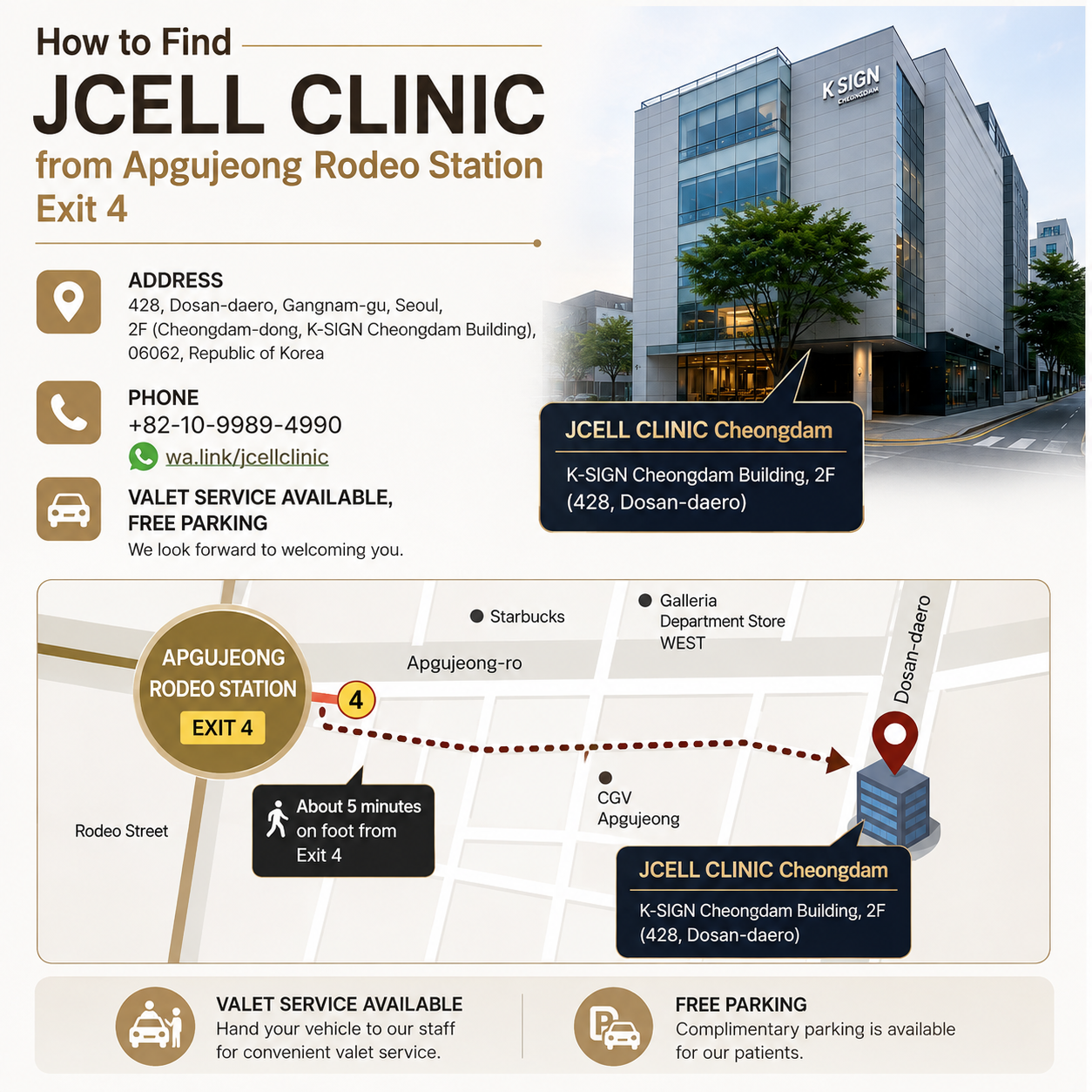
Cheongdam is located in
Gangnam, Seoul, and is known for its concentration of dermatology and aesthetic medicine services.
Its location makes it convenient for both local residents and international visitors seeking professional dermatologic care.
Cheongdam is also accessible for patients staying around:
- Gangnam
- Apgujeong
- Sinsa
- COEX
- Samseong
- Seongsu
- Jamsil
- Central Seoul
For international visitors, this location can make it easier to arrange a dermatology consultation during a short or extended stay in Seoul.
Who May Consider Dermatitis Treatment in Seoul?
Professional dermatology consultation may be suitable for patients who:
- Experience recurring dermatitis flare-ups
- Have persistent itching or redness
- Struggle with dry or cracked skin
- Experience facial dermatitis or sensitivity
- Have recurring irritation from skincare products
- Are concerned about contact dermatitis
- Experience recurring inflammation
- Have tried basic skincare without sufficient improvement
- Are unsure whether their symptoms are dermatitis
- Are visiting Seoul and need professional dermatologic care
Patients with recurring symptoms may particularly benefit from discussing their previous treatments, skincare routine, and possible triggers during consultation.
Frequently Asked Questions
What are the common symptoms of dermatitis?
Common symptoms include redness, itching, dryness, flaking, irritation, burning, swelling, rough skin, cracking, and recurring inflammation. Symptoms can vary depending on the type of dermatitis and the affected area.
What is the difference between dermatitis and eczema?
Dermatitis broadly refers to inflammation of the skin, while eczema is commonly used to describe several inflammatory skin conditions. The terms can overlap, and professional evaluation may be useful when the exact cause of symptoms is unclear.
Can dermatitis affect the face?
Yes. Facial dermatitis can cause redness, dryness, itching, flaking, burning, and increased sensitivity. Because facial skin is delicate, treatment and skincare should be selected carefully.
Can international patients receive dermatitis treatment in Seoul?
Yes. International visitors, expats, and foreign residents can seek dermatologic evaluation for dermatitis and related inflammatory skin concerns at Cheongdam JCELL Dermatology Clinic.
Can I receive treatment during a short trip to Seoul?
Depending on the symptoms and treatment required, patients can seek an initial dermatology consultation during a short stay. However, recurring or chronic dermatitis may require ongoing management and follow-up.
Should I bring my previous dermatitis medication?
If possible, bring the names, packaging, or photographs of previous prescription creams, medications, or skincare products. This can help provide a clearer treatment history during consultation.
Will I need follow-up appointments for dermatitis?
Some patients may benefit from follow-up, particularly when symptoms are recurring or persistent. Follow-up can help evaluate the skin's response and determine whether the management plan should be adjusted.
Dermatitis Treatment in Cheongdam, Gangnam
Cheongdam JCELL Dermatology Clinic provides personalized dermatologic care for patients seeking dermatitis treatment in Seoul. Through professional skin assessment and individualized treatment planning, patients can address concerns including itching, redness, dryness, irritation, inflammation, sensitive skin, and recurring dermatitis.
From dermatitis and contact reactions to sensitive-skin care and skin-barrier management, the treatment approach can be adjusted according to each patient's individual condition and symptoms. For international patients living in Korea or visiting Seoul,
Cheongdam JCELL Dermatology Clinic offers a convenient setting for professional dermatology care in
Cheongdam, Gangnam.